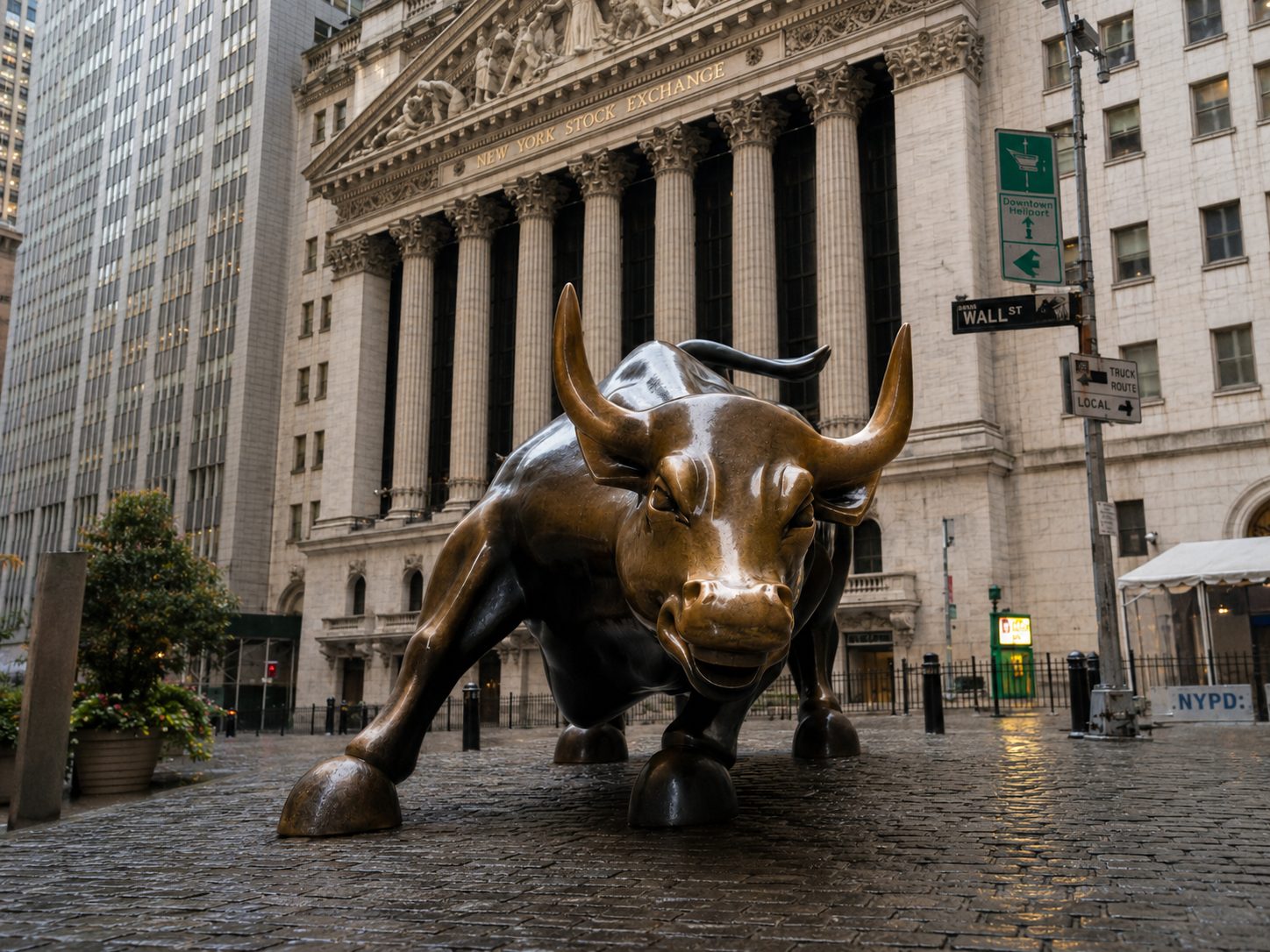
A potential, imminent nuclear escalation in an ongoing conflict will trigger a market-wide crash. The author cites a UN official's resignation statement mentioning "preparing for possible nuclear weapon use" and a political figure's verbal slip about "nukes." The author argues these are signals that geopolitical risk is about to spike catastrophically, an event they believe the equity market is unprepared for. Therefore, the only logical action is to short the broad market (SPY) immediately. The geopolitical events are interpreted hyperbolically and may not materialize; markets may view this as noise; the "signal" may already be known and priced in to a degree.
A potential, imminent nuclear escalation in an ongoing conflict will trigger a market-wide crash. The author cites a UN official's resignation statement mentioning "preparing for possible nuclear weapon use" and a political figure's verbal slip about "nukes." The author argues these are signals that geopolitical risk is about to spike catastrophically, an event they believe the equity market is unprepared for. Therefore, the only logical action is to short the broad market (SPY) immediately. The geopolitical events are interpreted hyperbolically and may not materialize; markets may view this as noise; the "signal" may already be known and priced in to a degree.
The author states private credit loans are "starting to rot" under high rates and cites a Carlyle fund facing massive redemption requests. Distress in the private credit market (which is less liquid) is a leading indicator for broader high-yield corporate debt stress. A credit freeze would hit leveraged companies. Publicly traded high-yield bond ETFs like HYG should decline if the fear and default wave spreads from private to public credit markets. Private credit is a separate, institutional market. Its distress may not directly translate to the publicly traded high-yield bond market. The Fed could intervene.
The author states private credit loans are "starting to rot" under high rates and cites a Carlyle fund facing massive redemption requests. Distress in the private credit market (which is less liquid) is a leading indicator for broader high-yield corporate debt stress. A credit freeze would hit leveraged companies. Publicly traded high-yield bond ETFs like HYG should decline if the fear and default wave spreads from private to public credit markets. Private credit is a separate, institutional market. Its distress may not directly translate to the publicly traded high-yield bond market. The Fed could intervene.
Major banks (Goldman, BofA, Barclays) are building a CDS index for private credit, which the author interprets as them preparing to profit from a credit collapse. If private credit defaults rise, these banks' core lending and underwriting businesses could face significant losses and reduced activity, hurting financial sector stocks. The financial sector is positioned to suffer from a private credit downturn, which the author believes is imminent. The CDS index could be a neutral risk management tool, not a directional bet. Banks may profit from fees on the product itself. A soft landing in the economy would invalidate the bearish premise.
Major banks (Goldman, BofA, Barclays) are building a CDS index for private credit, which the author interprets as them preparing to profit from a credit collapse. If private credit defaults rise, these banks' core lending and underwriting businesses could face significant losses and reduced activity, hurting financial sector stocks. The financial sector is positioned to suffer from a private credit downturn, which the author believes is imminent. The CDS index could be a neutral risk management tool, not a directional bet. Banks may profit from fees on the product itself. A soft landing in the economy would invalidate the bearish premise.