BUZZBERGThe leaderboard is ranked by Alpha Score, which weighs a speaker's average return, their number of calls, and reputation — a credibility rating of the source that can only raise a score, never lower it.Read the FAQ
Schiff states crypto investors are "betting on the wrong horse," that crypto is a wealth transfer mechanism where buyers lose to sellers, and notes Bitcoin has been "cut in half." He contrasts money flowing into crypto versus gold, arguing gold is the correct hedge for the coming monetary crisis. Crypto creates no real wealth and will fail as a safe haven. SHORT (implied: avoid) because crypto will not protect against inflation/dollar crisis and will underperform real assets like gold as the macro scenario unfolds. Widespread adoption as an alternative monetary asset in a dollar crisis, creating a short-term bubble.
Schiff states crypto investors are "betting on the wrong horse," that crypto is a wealth transfer mechanism where buyers lose to sellers, and notes Bitcoin has been "cut in half." He contrasts money flowing into crypto versus gold, arguing gold is the correct hedge for the coming monetary crisis. Crypto creates no real wealth and will fail as a safe haven. SHORT (implied: avoid) because crypto will not protect against inflation/dollar crisis and will underperform real assets like gold as the macro scenario unfolds. Widespread adoption as an alternative monetary asset in a dollar crisis, creating a short-term bubble.
Schiff states gold at ~$4,800 is "cheap," predicts it will go to $10,000-$20,000 as the dollar debases, and recommends buying on dips. Accelerating inflation that the Fed cannot stop, coupled with an eventual dollar crisis, will drive real asset demand. Gold historically preserves purchasing power when fiat currency loses value. LONG because gold is the primary hedge against the coming "inflationary depression" and dollar collapse; its nominal price must rise to reflect the dollar's loss of purchasing power. The Fed executes Volcker-style aggressive rate hikes, triggering deflationary collapse and a short-term rush to cash.
Schiff states gold at ~$4,800 is "cheap," predicts it will go to $10,000-$20,000 as the dollar debases, and recommends buying on dips. Accelerating inflation that the Fed cannot stop, coupled with an eventual dollar crisis, will drive real asset demand. Gold historically preserves purchasing power when fiat currency loses value. LONG because gold is the primary hedge against the coming "inflationary depression" and dollar collapse; its nominal price must rise to reflect the dollar's loss of purchasing power. The Fed executes Volcker-style aggressive rate hikes, triggering deflationary collapse and a short-term rush to cash.
Schiff states silver is at ~$75, had a "massive breakout" above its 1980/2011 double top near $50, and is in a "brand new huge bull market." Similar macro drivers as gold (inflation, dollar crisis). The breakout from a multi-decade resistance level signals a new structural bull phase. LONG because silver offers leveraged exposure to the precious metals thesis and is early in a new bull cycle; pullbacks are buying opportunities. A severe global recession crushes industrial demand, outweighing monetary hedge demand.
Schiff states silver is at ~$75, had a "massive breakout" above its 1980/2011 double top near $50, and is in a "brand new huge bull market." Similar macro drivers as gold (inflation, dollar crisis). The breakout from a multi-decade resistance level signals a new structural bull phase. LONG because silver offers leveraged exposure to the precious metals thesis and is early in a new bull cycle; pullbacks are buying opportunities. A severe global recession crushes industrial demand, outweighing monetary hedge demand.
The US dollar will lose its reserve currency status and a lot of value relative to other currencies as the day of reckoning arrives. US assets will be repriced down, and the dollar index (DXY) needs to break below 90 for a bigger decline.
Schiff bought energy stocks when oil was below $60/barrel and believes oil could reach $150-$200 if the Strait of Hormuz remains closed and war persists. War-driven supply constraints, ongoing inflation, and historical real price comparisons (oil was $140+ in 2008) support much higher prices. Energy stocks were cheap pre-war. LONG because energy equities offer exposure to a rising oil price in an inflationary environment and remain undervalued relative to the potential price spike. A rapid, deep global recession collapses oil demand, or the Iran conflict resolves quickly, reopening supply routes.
Schiff bought energy stocks when oil was below $60/barrel and believes oil could reach $150-$200 if the Strait of Hormuz remains closed and war persists. War-driven supply constraints, ongoing inflation, and historical real price comparisons (oil was $140+ in 2008) support much higher prices. Energy stocks were cheap pre-war. LONG because energy equities offer exposure to a rising oil price in an inflationary environment and remain undervalued relative to the potential price spike. A rapid, deep global recession collapses oil demand, or the Iran conflict resolves quickly, reopening supply routes.
Japan is the largest holder of US Treasuries. To shore up the yen, Japan will need to sell US debt and buy yen, which will cause US bond prices to fall and the stock market to crash. Even if Japan does not tighten enough, a yen crash will crash the Japanese bond market, hurting US bonds. Either scenario is bearish for US Treasuries and equities.
Emerging markets will be recipients of a lot of capital flows as the US dollar loses value and US assets are repriced down. This is part of the endgame where global capital rotates out of US assets into EM.
The Japanese yen has already lost half its value from the peak and looks poised to lose another 30-50% quickly. Japan's debt crisis and rising yields will pressure the yen further, and a freefall could trigger cross-asset turmoil.
Oil prices will keep going up despite the market pricing in a decline after the war. The consensus is wrong; higher oil is a long-term call driven by a weaker dollar and inflation dynamics.
Gold mining stocks are deeply out of favor, but the negative sentiment is misplaced. The bull market in gold is intact, and gold miners will end the year beating both the S&P 500 and the NASDAQ as the rally in precious metals accelerates.
US equity valuations are at never-before-seen extremes, and every past such extreme has ended with a major decline. The melt-up will reverse into a crash because the Fed cannot keep propping up assets without destroying the dollar, and the whole house of cards built on cheap money will collapse when the Fed stops buying bonds.
US equity valuations are at never-before-seen extremes, and every past such extreme has ended with a major decline. The melt-up will reverse into a crash because the Fed cannot keep propping up assets without destroying the dollar, and the whole house of cards built on cheap money will collapse when the Fed stops buying bonds.
Schiff calls gold mining stocks "ridiculously cheap" with "the most upside potential," expecting their 2026 earnings to "blow away estimates." Higher gold and silver prices will flow directly to miner profitability. Current valuations do not factor in higher future metal prices or earnings. LONG because miners provide leveraged upside to rising metal prices and are severely undervalued relative to the coming earnings power. Operational issues (e.g., cost inflation, labor strikes, permitting) prevent miners from capturing full metal price upside.
Schiff calls gold mining stocks "ridiculously cheap" with "the most upside potential," expecting their 2026 earnings to "blow away estimates." Higher gold and silver prices will flow directly to miner profitability. Current valuations do not factor in higher future metal prices or earnings. LONG because miners provide leveraged upside to rising metal prices and are severely undervalued relative to the coming earnings power. Operational issues (e.g., cost inflation, labor strikes, permitting) prevent miners from capturing full metal price upside.
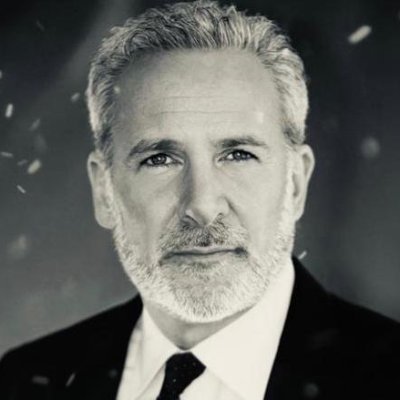
Peter Schiff has 13 trade ideas tracked on Buzzberg across 13 tickers since March 2026. Ranked #591 on the Buzzberg Alpha leaderboard. Most covered: BTC, GOLD, SILVER.
#591Ranked Speaker
#591 of 1818 voices on Buzzberg