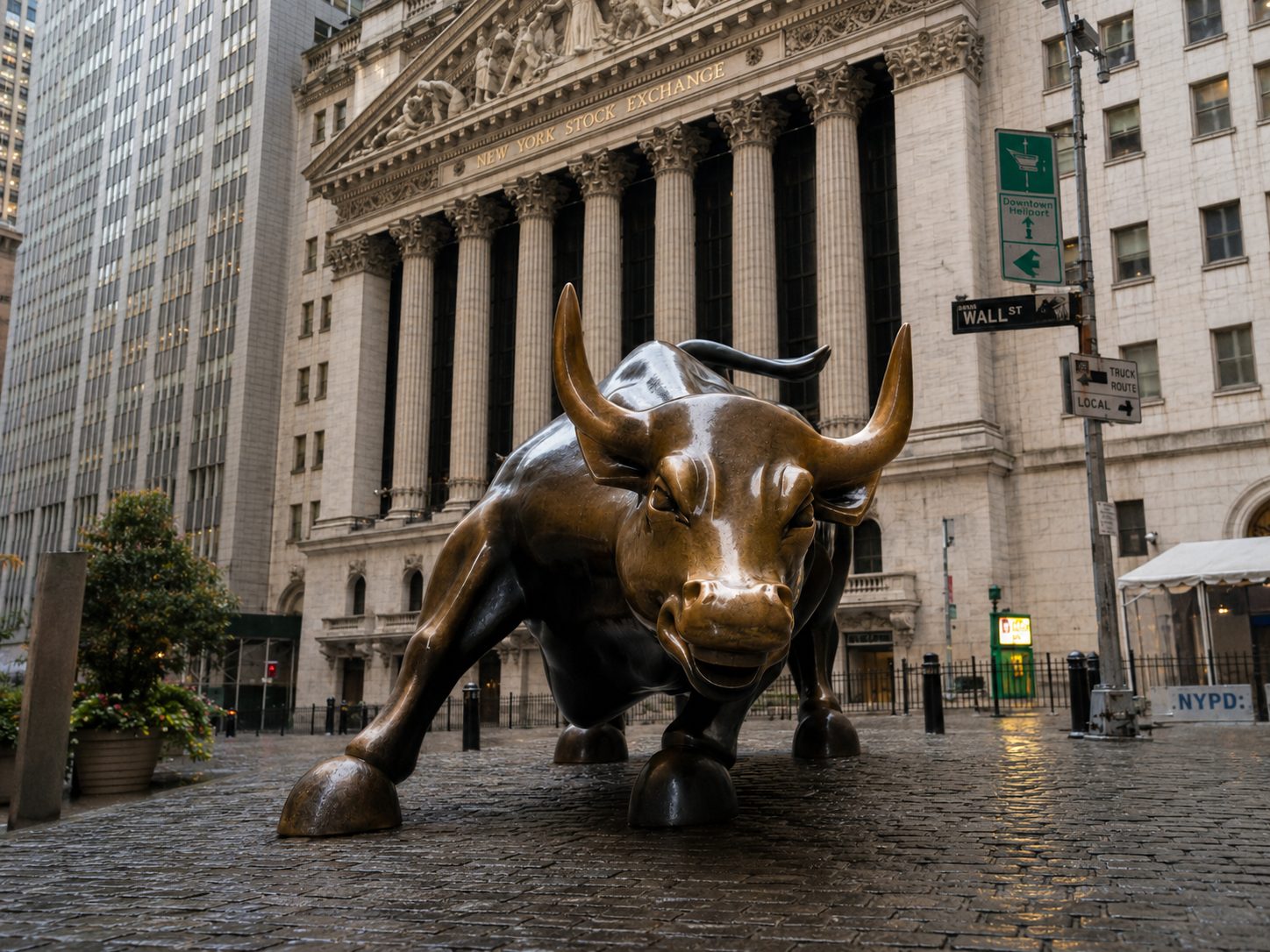
The U.S. market will be more insulated from higher commodity prices and geopolitical uncertainty, and selective opportunities will persist, particularly in technology and semiconductors, due to the ongoing race with China and significant demand for AI hardware.
The U.S. is the most prepared economy to deal with an oil price spike, having shifted from importer to exporter. Higher energy prices benefit U.S. energy sector earnings, and fiscal stimulus (the 'Big Beautiful Bill') offsets consumer pain. Inflation expectations remain anchored, supporting U.S. equities.
Dixon states that risk is piling up, 3-month annualized inflation is leaning toward 3%, and an energy shock is now in play. The transmission mechanism from energy to goods prices is fast. This leads to "re-accelerating inflation" which forces yields higher and bond prices lower. Short the long end of the curve (via TLT or TBT) as the market prices in a "higher for longer" reality due to sticky inflation and energy shocks. A rapid de-escalation in the Middle East causes oil to plummet, rallying bonds.