BUZZBERGThe leaderboard is ranked by Alpha Score, which weighs a speaker's average return, their number of calls, and reputation — a credibility rating of the source that can only raise a score, never lower it.Read the FAQ
The US equity market acts as a global safety trade amid the Iran war and is likely to continue benefiting as long as concerns about the war's duration remain.
Earnings for the AI and tech trade are resilient and will not be significantly damaged by the Middle East conflict, supporting continued investment in these sectors.
Financials seeing improving flows and cheap valuations
Financial sector outflows are diminishing and valuations are compelling in areas like insurance, commercial finance, and consumer finance, making the sector a beneficiary of rotation away from mega-cap tech.
RBC is "overweight" the Healthcare sector. Calvasina notes that during oil crises, "both the pharma group and the health care equipment and services group tend to outperform." When geopolitical risk rises, capital rotates out of high-beta tech and into defensive sectors with stable earnings. Healthcare offers a dual benefit: it acts as a safe haven (defensive) and currently possesses "good valuation appeal" relative to the broader index. LONG Healthcare (XLV) and specifically Pharmaceuticals (XPH) and Medical Devices (IHI) as a hedge against geopolitical volatility. A rapid de-escalation in the Middle East could trigger a "risk-on" rotation back into Tech, causing defensive sectors to lag.
RBC is "overweight" the Healthcare sector. Calvasina notes that during oil crises, "both the pharma group and the health care equipment and services group tend to outperform." When geopolitical risk rises, capital rotates out of high-beta tech and into defensive sectors with stable earnings. Healthcare offers a dual benefit: it acts as a safe haven (defensive) and currently possesses "good valuation appeal" relative to the broader index. LONG Healthcare (XLV) and specifically Pharmaceuticals (XPH) and Medical Devices (IHI) as a hedge against geopolitical volatility. A rapid de-escalation in the Middle East could trigger a "risk-on" rotation back into Tech, causing defensive sectors to lag.
While RBC is officially neutral on the sector, Calvasina admits their valuation model shows Energy "still looks a little bit attractive" and notes it "tends to outperform and go up when oil prices are rising." The conflict involving Iran directly threatens global oil supply. As spot oil prices rise, energy equities (which have lagged spot prices) will likely catch up to reflect higher realized margins for producers. LONG Energy producers to capture the inflation in oil prices caused by the conflict. If the conflict is short-lived or supply is not materially disrupted, the "war premium" in oil prices will evaporate quickly.
While RBC is officially neutral on the sector, Calvasina admits their valuation model shows Energy "still looks a little bit attractive" and notes it "tends to outperform and go up when oil prices are rising." The conflict involving Iran directly threatens global oil supply. As spot oil prices rise, energy equities (which have lagged spot prices) will likely catch up to reflect higher realized margins for producers. LONG Energy producers to capture the inflation in oil prices caused by the conflict. If the conflict is short-lived or supply is not materially disrupted, the "war premium" in oil prices will evaporate quickly.
The U.S. technology sector is cheap now, with S&P semis back to five- and 30-year averages and software approaching historical lows, offering a long-term buying opportunity amid volatility.
Semiconductor earnings revisions have stayed very strong and valuations have corrected back to average, creating long‑term value despite short‑term churn in the tech trade.
Upgraded consumer discretionary from underweight. Bank earnings show broad consumer resilience, negative sentiment is rampant, and the pain trade is setting up for those who are underweight the sector.
RBC is "overweight" the Healthcare sector. Calvasina notes that during oil crises, "both the pharma group and the health care equipment and services group tend to outperform." When geopolitical risk rises, capital rotates out of high-beta tech and into defensive sectors with stable earnings. Healthcare offers a dual benefit: it acts as a safe haven (defensive) and currently possesses "good valuation appeal" relative to the broader index. LONG Healthcare (XLV) and specifically Pharmaceuticals (XPH) and Medical Devices (IHI) as a hedge against geopolitical volatility. A rapid de-escalation in the Middle East could trigger a "risk-on" rotation back into Tech, causing defensive sectors to lag.
RBC is "overweight" the Healthcare sector. Calvasina notes that during oil crises, "both the pharma group and the health care equipment and services group tend to outperform." When geopolitical risk rises, capital rotates out of high-beta tech and into defensive sectors with stable earnings. Healthcare offers a dual benefit: it acts as a safe haven (defensive) and currently possesses "good valuation appeal" relative to the broader index. LONG Healthcare (XLV) and specifically Pharmaceuticals (XPH) and Medical Devices (IHI) as a hedge against geopolitical volatility. A rapid de-escalation in the Middle East could trigger a "risk-on" rotation back into Tech, causing defensive sectors to lag.
RBC is "overweight" the Healthcare sector. Calvasina notes that during oil crises, "both the pharma group and the health care equipment and services group tend to outperform." When geopolitical risk rises, capital rotates out of high-beta tech and into defensive sectors with stable earnings. Healthcare offers a dual benefit: it acts as a safe haven (defensive) and currently possesses "good valuation appeal" relative to the broader index. LONG Healthcare (XLV) and specifically Pharmaceuticals (XPH) and Medical Devices (IHI) as a hedge against geopolitical volatility. A rapid de-escalation in the Middle East could trigger a "risk-on" rotation back into Tech, causing defensive sectors to lag.
RBC is "overweight" the Healthcare sector. Calvasina notes that during oil crises, "both the pharma group and the health care equipment and services group tend to outperform." When geopolitical risk rises, capital rotates out of high-beta tech and into defensive sectors with stable earnings. Healthcare offers a dual benefit: it acts as a safe haven (defensive) and currently possesses "good valuation appeal" relative to the broader index. LONG Healthcare (XLV) and specifically Pharmaceuticals (XPH) and Medical Devices (IHI) as a hedge against geopolitical volatility. A rapid de-escalation in the Middle East could trigger a "risk-on" rotation back into Tech, causing defensive sectors to lag.
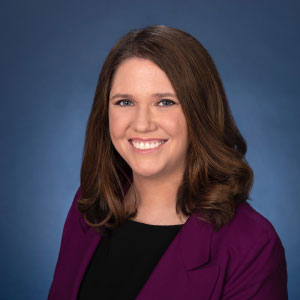
Lori Calvasina has 12 trade ideas tracked on Buzzberg across 12 tickers since March 2026. Ranked #434 on the Buzzberg Alpha leaderboard. Most covered: SPY, XLK, XLV.
#434Ranked Speaker
#434 of 1954 voices on Buzzberg