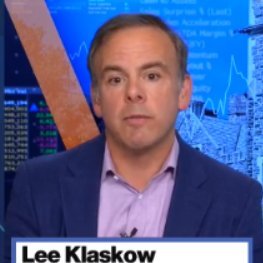
Lee Klaskow 4.1 26 ideas

Senior Analyst, JPMorgan
After 1 day
32%winrate
-1.7% avg
6W / 13L · 19/19 ideas
After 1 week
42%winrate
-1.3% avg
8W / 11L · 19/19 ideas
After 1 month
N/A
7/15 min ideas
4 winning  /  3 losing  ·  7 positions (30d)
Net: +9.2%
By sector
Stock
23 ideas +1.9%
ETF
3 ideas +52.9%
Top tickers (by frequency)
FRO 3 ideas
0% W -1.5%
STNG 3 ideas
0% W -3.8%
JETS 2 ideas
ZIM 2 ideas
CF 2 ideas
Best and worst calls
While FedEx raised guidance and stated no direct operational impact from the Iran war, the key risk is higher energy prices (diesel above $5) impacting consumer spending and, consequently, freight demand. Transportation providers use fuel surcharges to protect margins, but the core threat is macroeconomic. Higher pump prices reduce disposable income for goods, leading to less stuff being shipped. The stock's near-term strength is based on restructuring and current demand, but it is not insulated from a broader economic slowdown induced by prolonged high oil prices. The Iran conflict is resolved quickly and oil prices normalize, sparing consumer demand.
FDX Bloomberg Markets Mar 20, 17:27
Senior Analyst, JPMorgan
Diesel prices have spiked to $5/gallon, elevating fuel to ~28% of trucking costs from a typical 20-25%. The speaker states this will "crimp margins and probably crimp demand." Higher fuel costs directly increase operating expenses for trucking and railroad companies. Fuel surcharge recovery lags (one week for trucking, 30-60 days for railroads), creating a temporary margin squeeze. Concurrently, sustained fuel inflation reduces consumer spending power, weakening freight demand. The transportation sector faces compressed margins and softening demand in the short to medium term, making it an unattractive area for investment (AVOID). A rapid decline in fuel prices would turn the surcharge lag into an earnings tailwind. Resolution of the Middle East conflict could also alleviate fuel price pressure.
JETS Bloomberg Markets Mar 17, 17:37
Senior Analyst, JPMorgan
"The Middle East in general is about 10% of the market. It is usually smaller things like fertilizer... If you can't get it in the Middle East, you will have to get it somewhere else and capacity will be tight." The blockade of the Strait of Hormuz traps Middle Eastern fertilizer exports right as the global agricultural planting season begins. This supply shock forces buyers to source from North American and European producers, driving up prices and expanding profit margins for non-Middle Eastern agricultural chemical companies. LONG. Constrained global supply combined with inelastic seasonal demand for fertilizer creates strong pricing power for Western producers. Farmers delay purchases or reduce application rates due to prohibitively high costs, leading to demand destruction.
CF NTR MOS Bloomberg Markets Mar 14, 19:17
Senior Analyst, JPMorgan
"It is fantastic for freight because it is taking a lot of capacity out of the market... it will raise rates significantly." With the Strait of Hormuz effectively closed, ships are either stranded in the Persian Gulf or forced to take massive detours. This severe reduction in effective global shipping capacity drives up freight and charter rates, directly boosting the top and bottom lines of global shipping and tanker companies. LONG. The longer the geopolitical standoff lasts, the higher freight rates will climb, resulting in windfall profits for vessel operators. A sudden diplomatic resolution or successful US naval escort operation reopens the Strait, causing freight rates to normalize rapidly.
FRO STNG ZIM Bloomberg Markets Mar 14, 19:17
Senior Analyst, JPMorgan
"It is fantastic for freight because it is taking a lot of capacity out of the market... it will raise rates significantly." The closure of the Strait of Hormuz forces ships to wait idly or reroute entirely, effectively reducing global shipping capacity. This supply-demand mismatch drives up freight and charter rates, directly boosting revenues for shipping companies. LONG shipping equities as capacity constraints lead to higher freight rates and expanded margins. Reopening of the Strait or the implementation of military naval escorts mitigating the risk could normalize shipping capacity and rates.
ZIM STNG FRO Bloomberg Markets Mar 14, 16:15
Senior Analyst, JPMorgan
"The Middle East in general is about 10% of the market. It is usually smaller things like fertilizer... If you can't get it in the Middle East, you will have to get it somewhere else and capacity will be tight." Disrupted fertilizer exports from the Middle East will tighten global supply, driving up prices. North American fertilizer producers will benefit from higher realized prices and increased demand as buyers seek alternative sources. LONG agricultural fertilizer producers as supply shocks drive up commodity pricing. Farmers delay purchases due to high costs, leading to demand destruction, or the conflict resolves quickly allowing Middle Eastern supply back online.
NTR MOS CF Bloomberg Markets Mar 14, 16:15
Senior Analyst, JPMorgan
"DHL is more exposed to the Middle East than the other two [FedEx/UPS]... A lot of the airspace in the Middle East has been shut down." While FedEx and UPS have less exposure, DHL's network is heavily reliant on these specific trade lanes. Airspace closures force planes to fly longer routes ("fly around it"), increasing fuel burn and flight times, which degrades service margins. Avoid DHL (via ADR) as it faces the most direct operational headwinds among the major integrators. Competitors are hit harder by global macro slowdowns than DHL is by specific regional routing issues.
DPSGY Bloomberg Markets Mar 03, 21:55
Senior Analyst, JPMorgan
Lee Klaskow (Senior Analyst, JPMorgan) | 26 trade ideas tracked | FRO, STNG, JETS, ZIM, CF | YouTube | Buzzberg