Head of US Bank Equity Strategy, RBC Capital Markets
·tracked since Mar 2026
310
BUZZBERGThe leaderboard is ranked by Alpha Score, which weighs a speaker's average return, their number of calls, and reputation — a credibility rating of the source that can only raise a score, never lower it.Read the FAQ
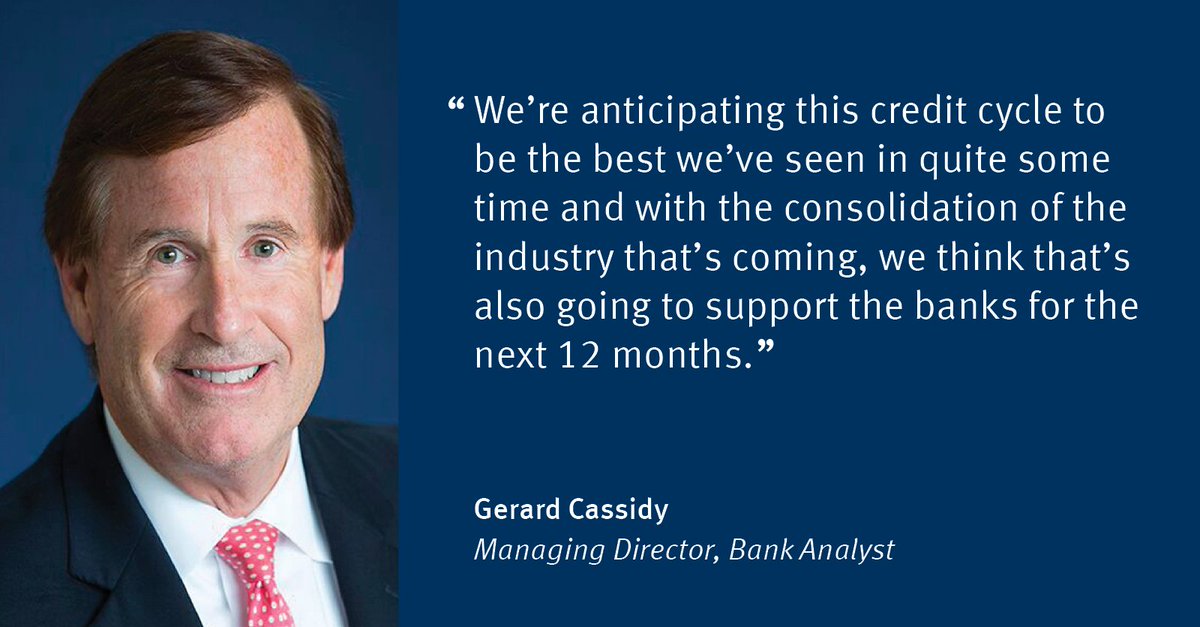
"The private credit problems are likely to continue... The real question is what is the impact to the banks. The banks have exposure to private credit players but this is nothing like what we saw in 2008 or 2009... They have been so de-risked since the financial crisis they will be able to weather any storm that comes from private credit." The market is indiscriminately punishing the broader financial sector due to headlines about private credit funds gating redemptions. However, large depository banks are heavily regulated, over-capitalized, and lack direct exposure to the riskiest private loans, creating a mispricing opportunity to buy high-quality bank stocks on unwarranted contagion fears. LONG. Large-cap banks are a buy as they will survive the private credit shakeout and potentially gain market share as shadow banking retreats. If oil stays above $100 for 12 months, it could trigger a severe consumer recession, leading to broad credit card and auto loan defaults that would hurt traditional banks.
The banking industry is in a very favorable environment: the economy is resilient, loan demand is picking up, capital markets are incredibly strong, and the regulatory backdrop is as good as it's going to get, providing a big tailwind. The robust conditions are likely to continue, with a strong ECM/IPO calendar, though Q3 is seasonally slower.
Main Street banks are more attractive than Wall Street investment banks. Large money-center and investment banks have had a very good run and valuations are now full, requiring a continued record pace to keep working. In contrast, loan growth improvement, a healthy/steepening yield curve, and easier year-over-year comparisons make regional/Main Street banks more appealing.
"The private credit problems are likely to continue... The real question is what is the impact to the banks. The banks have exposure to private credit players but this is nothing like what we saw in 2008 or 2009... They have been so de-risked since the financial crisis they will be able to weather any storm that comes from private credit." The market is indiscriminately punishing the broader financial sector due to headlines about private credit funds gating redemptions. However, large depository banks are heavily regulated, over-capitalized, and lack direct exposure to the riskiest private loans, creating a mispricing opportunity to buy high-quality bank stocks on unwarranted contagion fears. LONG. Large-cap banks are a buy as they will survive the private credit shakeout and potentially gain market share as shadow banking retreats. If oil stays above $100 for 12 months, it could trigger a severe consumer recession, leading to broad credit card and auto loan defaults that would hurt traditional banks.
Gerard Cassidy has 6 trade ideas tracked on Buzzberg across 6 tickers since March 2026. Ranked #310 on the Buzzberg Alpha leaderboard. Most covered: BAC, JPM, WFC.
#310Ranked Speaker
#310 of 1713 voices on Buzzberg
