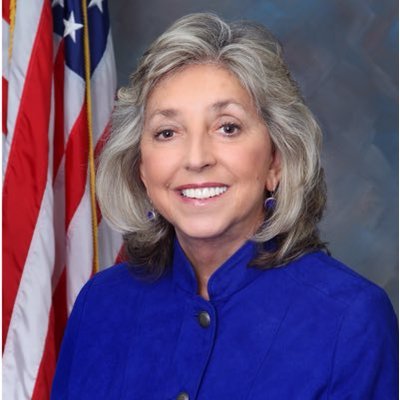
Titus argues that gaming regulation should remain "state by state" and that operators must "follow the rules of the states where they're already established." She dismisses the CFTC's ability to regulate gaming. By fighting to keep regulation at the state level and attacking "prediction markets," Titus is effectively defending the regulatory moat of incumbent, licensed sportsbooks. High barriers to entry (state licensing) favor established players like DraftKings over new, agile prediction market competitors. Long regulated sportsbooks as political figures move to crush their lower-cost, unregulated competition. Prediction markets gain legal status as "event contracts" under the CFTC, bypassing state gaming commissions.
Titus argues that gaming regulation should remain "state by state" and that operators must "follow the rules of the states where they're already established." She dismisses the CFTC's ability to regulate gaming. By fighting to keep regulation at the state level and attacking "prediction markets," Titus is effectively defending the regulatory moat of incumbent, licensed sportsbooks. High barriers to entry (state licensing) favor established players like DraftKings over new, agile prediction market competitors. Long regulated sportsbooks as political figures move to crush their lower-cost, unregulated competition. Prediction markets gain legal status as "event contracts" under the CFTC, bypassing state gaming commissions.
Titus states, "This shutdown really hurts Nevada if you don't have TSA... TSA is going to start missing paychecks... the 1st of March." She notes morale is already low and warns of the impact on tourism. If the shutdown persists past March 1st, TSA absenteeism (sick-outs) will likely spike as agents go unpaid. This causes airport bottlenecks, reducing leisure travel volume, specifically hurting flight demand to tourism hubs like Las Vegas. Short US Travel/Airlines ahead of the March 1st deadline as operational friction risks increase. A last-minute Continuing Resolution (CR) is passed, averting the pay stoppage.
Titus states, "This shutdown really hurts Nevada if you don't have TSA... TSA is going to start missing paychecks... the 1st of March." She notes morale is already low and warns of the impact on tourism. If the shutdown persists past March 1st, TSA absenteeism (sick-outs) will likely spike as agents go unpaid. This causes airport bottlenecks, reducing leisure travel volume, specifically hurting flight demand to tourism hubs like Las Vegas. Short US Travel/Airlines ahead of the March 1st deadline as operational friction risks increase. A last-minute Continuing Resolution (CR) is passed, averting the pay stoppage.