BUZZBERGThe leaderboard is ranked by Alpha Score, which weighs a speaker's average return, their number of calls, and reputation — a credibility rating of the source that can only raise a score, never lower it.Read the FAQ
The specific threat mentioned is "closing the Straits of Hormuz." Even the *threat* of closure drives war-risk insurance premiums and tanker rates sky-high. If the Strait is contested but not fully closed, tanker companies charge exorbitant rates to transport oil. This is a "risk premium" play on logistics. LONG Oil Tankers (specifically those with fleets capable of rerouting or commanding high spot rates). Total closure of the Strait results in zero volume (no oil to move), or a swift US naval victory keeps shipping lanes fully open and suppresses rates.
The specific threat mentioned is "closing the Straits of Hormuz." Even the *threat* of closure drives war-risk insurance premiums and tanker rates sky-high. If the Strait is contested but not fully closed, tanker companies charge exorbitant rates to transport oil. This is a "risk premium" play on logistics. LONG Oil Tankers (specifically those with fleets capable of rerouting or commanding high spot rates). Total closure of the Strait results in zero volume (no oil to move), or a swift US naval victory keeps shipping lanes fully open and suppresses rates.
The specific threat mentioned is "closing the Straits of Hormuz." Even the *threat* of closure drives war-risk insurance premiums and tanker rates sky-high. If the Strait is contested but not fully closed, tanker companies charge exorbitant rates to transport oil. This is a "risk premium" play on logistics. LONG Oil Tankers (specifically those with fleets capable of rerouting or commanding high spot rates). Total closure of the Strait results in zero volume (no oil to move), or a swift US naval victory keeps shipping lanes fully open and suppresses rates.
The specific threat mentioned is "closing the Straits of Hormuz." Even the *threat* of closure drives war-risk insurance premiums and tanker rates sky-high. If the Strait is contested but not fully closed, tanker companies charge exorbitant rates to transport oil. This is a "risk premium" play on logistics. LONG Oil Tankers (specifically those with fleets capable of rerouting or commanding high spot rates). Total closure of the Strait results in zero volume (no oil to move), or a swift US naval victory keeps shipping lanes fully open and suppresses rates.
Dina argues that "once that happens [first airstrike], it's absolutely impossible to keep this short" and predicts a "rapid escalation." Markets generally price in short, contained conflicts. A prolonged, existential war involving Iran (and potentially dragging in other powers) creates deep geopolitical uncertainty. Capital flees risk assets for safe havens (Gold) and volatility (VIX) expands as the "short skirmish" narrative collapses. LONG Safe Havens and Volatility. The conflict remains contained to minor skirmishes, or the US achieves objectives quickly without broader regional escalation.
Dina argues that "once that happens [first airstrike], it's absolutely impossible to keep this short" and predicts a "rapid escalation." Markets generally price in short, contained conflicts. A prolonged, existential war involving Iran (and potentially dragging in other powers) creates deep geopolitical uncertainty. Capital flees risk assets for safe havens (Gold) and volatility (VIX) expands as the "short skirmish" narrative collapses. LONG Safe Havens and Volatility. The conflict remains contained to minor skirmishes, or the US achieves objectives quickly without broader regional escalation.
Reports indicate a US military intervention in Iran could happen "sooner than expected" and involve a "weeks-long campaign." Iran views this as existential and is likely to escalate rather than absorb the strike. A protracted conflict in the Middle East threatens regional oil infrastructure and supply routes. Simultaneously, kinetic warfare benefits US defense primes (ITA). LONG. Oil acts as a geopolitical hedge; Defense stocks benefit from replenishment and conflict duration. A sudden diplomatic deal (Trump administration preference) could cause a sharp reversal in oil premiums.
Reports indicate a US military intervention in Iran could happen "sooner than expected" and involve a "weeks-long campaign." Iran views this as existential and is likely to escalate rather than absorb the strike. A protracted conflict in the Middle East threatens regional oil infrastructure and supply routes. Simultaneously, kinetic warfare benefits US defense primes (ITA). LONG. Oil acts as a geopolitical hedge; Defense stocks benefit from replenishment and conflict duration. A sudden diplomatic deal (Trump administration preference) could cause a sharp reversal in oil premiums.
Reports indicate a US military intervention in Iran could happen "sooner than expected" and involve a "weeks-long campaign." Iran views this as existential and is likely to escalate rather than absorb the strike. A protracted conflict in the Middle East threatens regional oil infrastructure and supply routes. Simultaneously, kinetic warfare benefits US defense primes (ITA). LONG. Oil acts as a geopolitical hedge; Defense stocks benefit from replenishment and conflict duration. A sudden diplomatic deal (Trump administration preference) could cause a sharp reversal in oil premiums.
Reports indicate a US military intervention in Iran could happen "sooner than expected" and involve a "weeks-long campaign." Iran views this as existential and is likely to escalate rather than absorb the strike. A protracted conflict in the Middle East threatens regional oil infrastructure and supply routes. Simultaneously, kinetic warfare benefits US defense primes (ITA). LONG. Oil acts as a geopolitical hedge; Defense stocks benefit from replenishment and conflict duration. A sudden diplomatic deal (Trump administration preference) could cause a sharp reversal in oil premiums.
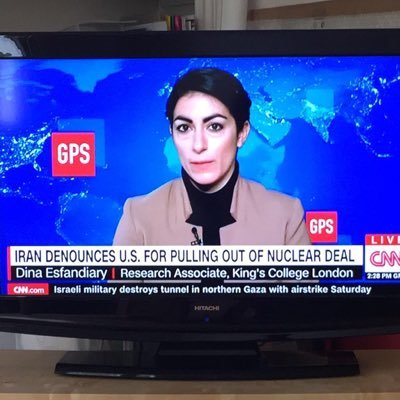
Dina Esfandiary has 5 trade ideas tracked on Buzzberg across 5 tickers since February 2026. Ranked #563 on the Buzzberg Alpha leaderboard. Most covered: ITA, XLE, GOLD.
#563Ranked Speaker
#563 of 1818 voices on Buzzberg