BUZZBERGThe leaderboard is ranked by Alpha Score, which weighs a speaker's average return, their number of calls, and reputation — a credibility rating of the source that can only raise a score, never lower it.Read the FAQ
"I'm long gold. I would be long silver here... The industrial use for silver is real... We need silver as our conduit... in these data centers." Gold is the hedge against US debt/deficit spiraling and dollar debasement. Silver, however, has a dual thesis: it is a monetary hedge *and* an industrial necessity for the AI buildout (data centers) and green energy (solar). Supply is inelastic, so increased industrial demand must drive prices higher. LONG precious metals, with a specific emphasis on Silver and Silver Miners (SILJ) for the industrial "catch-up" trade. A strengthening US Dollar; deflationary crash reducing industrial demand for silver.
"I'm long gold. I would be long silver here... The industrial use for silver is real... We need silver as our conduit... in these data centers." Gold is the hedge against US debt/deficit spiraling and dollar debasement. Silver, however, has a dual thesis: it is a monetary hedge *and* an industrial necessity for the AI buildout (data centers) and green energy (solar). Supply is inelastic, so increased industrial demand must drive prices higher. LONG precious metals, with a specific emphasis on Silver and Silver Miners (SILJ) for the industrial "catch-up" trade. A strengthening US Dollar; deflationary crash reducing industrial demand for silver.
"If $65 oil happens, it's the cheapest stock in the S&P 500." (Referring to Exxon Mobil). The market is pricing energy stocks as if oil is crashing to $45-$50. However, oil has stabilized around $65-$70 (WTI). Furthermore, geopolitical risks (Iran/Israel) are not priced in. Therefore, energy majors like Exxon offer a massive valuation safety margin even without a price spike. LONG energy majors and the broader sector for valuation and geopolitical hedging. A global recession crushing oil demand; rapid de-escalation of geopolitical conflicts.
"If $65 oil happens, it's the cheapest stock in the S&P 500." (Referring to Exxon Mobil). The market is pricing energy stocks as if oil is crashing to $45-$50. However, oil has stabilized around $65-$70 (WTI). Furthermore, geopolitical risks (Iran/Israel) are not priced in. Therefore, energy majors like Exxon offer a massive valuation safety margin even without a price spike. LONG energy majors and the broader sector for valuation and geopolitical hedging. A global recession crushing oil demand; rapid de-escalation of geopolitical conflicts.
Buy gold and silver miners as a leveraged expression of the long-term bullish thesis on GLD/SLV; author frames miners as the preferred vehicle for the precious metals trade.
Buy gold and silver miners as a leveraged expression of the long-term bullish thesis on GLD/SLV; author frames miners as the preferred vehicle for the precious metals trade.
"I'm long gold. I would be long silver here... The industrial use for silver is real... We need silver as our conduit... in these data centers." Gold is the hedge against US debt/deficit spiraling and dollar debasement. Silver, however, has a dual thesis: it is a monetary hedge *and* an industrial necessity for the AI buildout (data centers) and green energy (solar). Supply is inelastic, so increased industrial demand must drive prices higher. LONG precious metals, with a specific emphasis on Silver and Silver Miners (SILJ) for the industrial "catch-up" trade. A strengthening US Dollar; deflationary crash reducing industrial demand for silver.
"I'm long gold. I would be long silver here... The industrial use for silver is real... We need silver as our conduit... in these data centers." Gold is the hedge against US debt/deficit spiraling and dollar debasement. Silver, however, has a dual thesis: it is a monetary hedge *and* an industrial necessity for the AI buildout (data centers) and green energy (solar). Supply is inelastic, so increased industrial demand must drive prices higher. LONG precious metals, with a specific emphasis on Silver and Silver Miners (SILJ) for the industrial "catch-up" trade. A strengthening US Dollar; deflationary crash reducing industrial demand for silver.
"If you are a bull on AI I don't know how you don't own uranium... nuclear which is about 19% of US power source is only going to grow." AI data centers require massive baseload power. Wind and solar are intermittent. The only scalable, carbon-free baseload solution is nuclear. This creates a structural supply deficit for physical uranium (SRUUF) and benefits the miners (CCJ/URA) who will supply the fuel for new reactors. LONG uranium miners and physical trusts as a derivative play on AI energy consumption. Regulatory hurdles for new nuclear plants; another nuclear accident (e.g., Fukushima style event).
"If you are a bull on AI I don't know how you don't own uranium... nuclear which is about 19% of US power source is only going to grow." AI data centers require massive baseload power. Wind and solar are intermittent. The only scalable, carbon-free baseload solution is nuclear. This creates a structural supply deficit for physical uranium (SRUUF) and benefits the miners (CCJ/URA) who will supply the fuel for new reactors. LONG uranium miners and physical trusts as a derivative play on AI energy consumption. Regulatory hurdles for new nuclear plants; another nuclear accident (e.g., Fukushima style event).
"If $65 oil happens, it's the cheapest stock in the S&P 500." (Referring to Exxon Mobil). The market is pricing energy stocks as if oil is crashing to $45-$50. However, oil has stabilized around $65-$70 (WTI). Furthermore, geopolitical risks (Iran/Israel) are not priced in. Therefore, energy majors like Exxon offer a massive valuation safety margin even without a price spike. LONG energy majors and the broader sector for valuation and geopolitical hedging. A global recession crushing oil demand; rapid de-escalation of geopolitical conflicts.
"If $65 oil happens, it's the cheapest stock in the S&P 500." (Referring to Exxon Mobil). The market is pricing energy stocks as if oil is crashing to $45-$50. However, oil has stabilized around $65-$70 (WTI). Furthermore, geopolitical risks (Iran/Israel) are not priced in. Therefore, energy majors like Exxon offer a massive valuation safety margin even without a price spike. LONG energy majors and the broader sector for valuation and geopolitical hedging. A global recession crushing oil demand; rapid de-escalation of geopolitical conflicts.
Buy gold and silver miners as a leveraged expression of the long-term bullish thesis on GLD/SLV; author frames miners as the preferred vehicle for the precious metals trade.
Buy gold and silver miners as a leveraged expression of the long-term bullish thesis on GLD/SLV; author frames miners as the preferred vehicle for the precious metals trade.
Danny says Bitcoin and crypto are another delayed expression of the same short-US-dollar or loss-of-faith-in-the-system trade as gold. He links the Bitcoin rally to the Treasury buyback and BOJ intervention, and frames both gold and Bitcoin as plays on dollar debasement rather than trying to time risk assets.
"If I were a retail investor right now looking to get myself exposure, I would be buying Blackstone, KKR and Apollo... I'd be buying the parent companies that large PE firms that have permanent capital, that have, you know, a huge fee income stream." While Moses is bearish on the *underlying* private credit loans due to liquidity risks, he is bullish on the *asset managers*. These firms collect fees regardless of underlying performance and offer liquidity (publicly traded stock) that the credit funds do not. Long the Asset Managers (GPs) as a way to play the credit boom without taking the illiquidity risk of the credit itself. A systemic collapse in private credit would eventually hurt the GPs' AUM and fee realization.
"If I were a retail investor right now looking to get myself exposure, I would be buying Blackstone, KKR and Apollo... I'd be buying the parent companies that large PE firms that have permanent capital, that have, you know, a huge fee income stream." While Moses is bearish on the *underlying* private credit loans due to liquidity risks, he is bullish on the *asset managers*. These firms collect fees regardless of underlying performance and offer liquidity (publicly traded stock) that the credit funds do not. Long the Asset Managers (GPs) as a way to play the credit boom without taking the illiquidity risk of the credit itself. A systemic collapse in private credit would eventually hurt the GPs' AUM and fee realization.
"If I were a retail investor right now looking to get myself exposure, I would be buying Blackstone, KKR and Apollo... I'd be buying the parent companies that large PE firms that have permanent capital, that have, you know, a huge fee income stream." While Moses is bearish on the *underlying* private credit loans due to liquidity risks, he is bullish on the *asset managers*. These firms collect fees regardless of underlying performance and offer liquidity (publicly traded stock) that the credit funds do not. Long the Asset Managers (GPs) as a way to play the credit boom without taking the illiquidity risk of the credit itself. A systemic collapse in private credit would eventually hurt the GPs' AUM and fee realization.
"If I were a retail investor right now looking to get myself exposure, I would be buying Blackstone, KKR and Apollo... I'd be buying the parent companies that large PE firms that have permanent capital, that have, you know, a huge fee income stream." While Moses is bearish on the *underlying* private credit loans due to liquidity risks, he is bullish on the *asset managers*. These firms collect fees regardless of underlying performance and offer liquidity (publicly traded stock) that the credit funds do not. Long the Asset Managers (GPs) as a way to play the credit boom without taking the illiquidity risk of the credit itself. A systemic collapse in private credit would eventually hurt the GPs' AUM and fee realization.
"If I were a retail investor right now looking to get myself exposure, I would be buying Blackstone, KKR and Apollo... I'd be buying the parent companies that large PE firms that have permanent capital, that have, you know, a huge fee income stream." While Moses is bearish on the *underlying* private credit loans due to liquidity risks, he is bullish on the *asset managers*. These firms collect fees regardless of underlying performance and offer liquidity (publicly traded stock) that the credit funds do not. Long the Asset Managers (GPs) as a way to play the credit boom without taking the illiquidity risk of the credit itself. A systemic collapse in private credit would eventually hurt the GPs' AUM and fee realization.
"If I were a retail investor right now looking to get myself exposure, I would be buying Blackstone, KKR and Apollo... I'd be buying the parent companies that large PE firms that have permanent capital, that have, you know, a huge fee income stream." While Moses is bearish on the *underlying* private credit loans due to liquidity risks, he is bullish on the *asset managers*. These firms collect fees regardless of underlying performance and offer liquidity (publicly traded stock) that the credit funds do not. Long the Asset Managers (GPs) as a way to play the credit boom without taking the illiquidity risk of the credit itself. A systemic collapse in private credit would eventually hurt the GPs' AUM and fee realization.
"We saw already from BLOCK... firing, you know, 40% of their staff... Your job is for margin expansion to produce earnings. If you see the opportunity to do it... you're going to do it." While Moses worries about the *macro* effect of unemployment, he acknowledges the *micro* benefit to the specific companies: AI and efficiency measures lead to margin expansion. Block (SQ) is the prime example of a company aggressively cutting costs to boost profitability. Long SQ (and similar efficiency-focused tech) for earnings growth via cost-cutting. The cuts signal deeper growth issues or the "white collar recession" eventually destroys consumer spending power, hurting Block's transaction volumes.
"We saw already from BLOCK... firing, you know, 40% of their staff... Your job is for margin expansion to produce earnings. If you see the opportunity to do it... you're going to do it." While Moses worries about the *macro* effect of unemployment, he acknowledges the *micro* benefit to the specific companies: AI and efficiency measures lead to margin expansion. Block (SQ) is the prime example of a company aggressively cutting costs to boost profitability. Long SQ (and similar efficiency-focused tech) for earnings growth via cost-cutting. The cuts signal deeper growth issues or the "white collar recession" eventually destroys consumer spending power, hurting Block's transaction volumes.
"If you are a bull on AI I don't know how you don't own uranium... nuclear which is about 19% of US power source is only going to grow." AI data centers require massive baseload power. Wind and solar are intermittent. The only scalable, carbon-free baseload solution is nuclear. This creates a structural supply deficit for physical uranium (SRUUF) and benefits the miners (CCJ/URA) who will supply the fuel for new reactors. LONG uranium miners and physical trusts as a derivative play on AI energy consumption. Regulatory hurdles for new nuclear plants; another nuclear accident (e.g., Fukushima style event).
"If you are a bull on AI I don't know how you don't own uranium... nuclear which is about 19% of US power source is only going to grow." AI data centers require massive baseload power. Wind and solar are intermittent. The only scalable, carbon-free baseload solution is nuclear. This creates a structural supply deficit for physical uranium (SRUUF) and benefits the miners (CCJ/URA) who will supply the fuel for new reactors. LONG uranium miners and physical trusts as a derivative play on AI energy consumption. Regulatory hurdles for new nuclear plants; another nuclear accident (e.g., Fukushima style event).
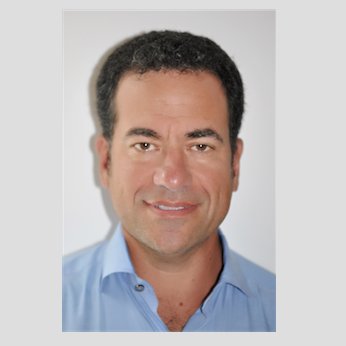
Danny Moses has 13 trade ideas tracked on Buzzberg across 13 tickers since January 2026. Ranked #503 on the Buzzberg Alpha leaderboard. Most covered: GOLD, XOM, GDX.
#503Ranked Speaker
#503 of 1785 voices on Buzzberg