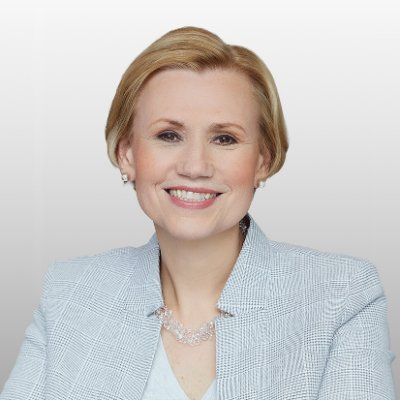
Hooper states their 2026 outlook favors "emerging markets and favoring developed ex-US." She notes US valuations are stretched while international markets have catalysts. Specifically, Japan has a new PM focused on "fiscal stimulus," and Germany is ramping up "defense and infrastructure spending" due to geopolitical threats. US growth rests on "fragile pillars" (AI capex and high-end consumers). If the US slows or enters a modest recession, capital will rotate to regions with active fiscal support and lower valuations (Japan/Europe). LONG International Equities (specifically Japan and Germany) as a valuation and stimulus play. Global recession drags down all equities; stimulus measures fail to materialize.
Hooper states their 2026 outlook favors "emerging markets and favoring developed ex-US." She notes US valuations are stretched while international markets have catalysts. Specifically, Japan has a new PM focused on "fiscal stimulus," and Germany is ramping up "defense and infrastructure spending" due to geopolitical threats. US growth rests on "fragile pillars" (AI capex and high-end consumers). If the US slows or enters a modest recession, capital will rotate to regions with active fiscal support and lower valuations (Japan/Europe). LONG International Equities (specifically Japan and Germany) as a valuation and stimulus play. Global recession drags down all equities; stimulus measures fail to materialize.
Hooper notes that Europe, particularly Germany, has a "very real and immediate reason to increase defense and infrastructure spending" due to the Russia threat. Regardless of the economic cycle, geopolitical reality forces European governments to spend on defense. This provides a non-cyclical floor for defense contractors and infrastructure companies in the region. LONG European Defense/Infrastructure beneficiaries. Geopolitical tensions de-escalate significantly (unlikely in short term).
Hooper notes that Europe, particularly Germany, has a "very real and immediate reason to increase defense and infrastructure spending" due to the Russia threat. Regardless of the economic cycle, geopolitical reality forces European governments to spend on defense. This provides a non-cyclical floor for defense contractors and infrastructure companies in the region. LONG European Defense/Infrastructure beneficiaries. Geopolitical tensions de-escalate significantly (unlikely in short term).
Hooper states their 2026 outlook favors "emerging markets and favoring developed ex-US." She notes US valuations are stretched while international markets have catalysts. Specifically, Japan has a new PM focused on "fiscal stimulus," and Germany is ramping up "defense and infrastructure spending" due to geopolitical threats. US growth rests on "fragile pillars" (AI capex and high-end consumers). If the US slows or enters a modest recession, capital will rotate to regions with active fiscal support and lower valuations (Japan/Europe). LONG International Equities (specifically Japan and Germany) as a valuation and stimulus play. Global recession drags down all equities; stimulus measures fail to materialize.
Hooper states their 2026 outlook favors "emerging markets and favoring developed ex-US." She notes US valuations are stretched while international markets have catalysts. Specifically, Japan has a new PM focused on "fiscal stimulus," and Germany is ramping up "defense and infrastructure spending" due to geopolitical threats. US growth rests on "fragile pillars" (AI capex and high-end consumers). If the US slows or enters a modest recession, capital will rotate to regions with active fiscal support and lower valuations (Japan/Europe). LONG International Equities (specifically Japan and Germany) as a valuation and stimulus play. Global recession drags down all equities; stimulus measures fail to materialize.
Hooper notes that Europe, particularly Germany, has a "very real and immediate reason to increase defense and infrastructure spending" due to the Russia threat. Regardless of the economic cycle, geopolitical reality forces European governments to spend on defense. This provides a non-cyclical floor for defense contractors and infrastructure companies in the region. LONG European Defense/Infrastructure beneficiaries. Geopolitical tensions de-escalate significantly (unlikely in short term).
Hooper notes that Europe, particularly Germany, has a "very real and immediate reason to increase defense and infrastructure spending" due to the Russia threat. Regardless of the economic cycle, geopolitical reality forces European governments to spend on defense. This provides a non-cyclical floor for defense contractors and infrastructure companies in the region. LONG European Defense/Infrastructure beneficiaries. Geopolitical tensions de-escalate significantly (unlikely in short term).