BUZZBERGThe leaderboard is ranked by Alpha Score, which weighs a speaker's average return, their number of calls, and reputation — a credibility rating of the source that can only raise a score, never lower it.Read the FAQ
"One possibility is you seize Karge Island to try to cut off that economic lifeline for Iran... We've seen gas prices go up, you know, 50 cents to a dollar." Kharg Island is Iran's primary crude oil export terminal. Military strikes or the physical seizure of this asset removes significant Iranian oil supply from the global market. This supply shock, combined with a broader geopolitical risk premium in the Middle East, drives up global crude prices, directly expanding the profit margins of major US-based energy producers. LONG US energy equities as geopolitical escalation and physical supply disruptions tighten the global oil market. The administration abruptly declares victory and halts the military campaign, leading to a rapid deflation of the geopolitical risk premium in oil prices.
"One possibility is you seize Karge Island to try to cut off that economic lifeline for Iran... We've seen gas prices go up, you know, 50 cents to a dollar." Kharg Island is Iran's primary crude oil export terminal. Military strikes or the physical seizure of this asset removes significant Iranian oil supply from the global market. This supply shock, combined with a broader geopolitical risk premium in the Middle East, drives up global crude prices, directly expanding the profit margins of major US-based energy producers. LONG US energy equities as geopolitical escalation and physical supply disruptions tighten the global oil market. The administration abruptly declares victory and halts the military campaign, leading to a rapid deflation of the geopolitical risk premium in oil prices.
"Pentagon asking for an extremely large budget, 1 and a half trillion dollars... That's a 50% increase in the defense budget. And by the way, that doesn't include the supplemental that they're talking about asking for to help cover the cost of this war, which is gonna be in the tens of billions of dollars." An active, escalating conflict requires massive replenishment of munitions, logistics, and hardware. Even if Congress negotiates the base budget down from the requested 50% increase, the baseline defense spending is surging to historic highs, supplemented by emergency war funds. This capital flows directly into the order books of prime US defense contractors. LONG major defense and aerospace contractors as government spending in the sector accelerates to fund active military engagements. A divided Congress fails to pass the budget or supplemental funding due to debt ceiling standoffs, resulting in delayed or reduced defense contracts.
"Pentagon asking for an extremely large budget, 1 and a half trillion dollars... That's a 50% increase in the defense budget. And by the way, that doesn't include the supplemental that they're talking about asking for to help cover the cost of this war, which is gonna be in the tens of billions of dollars." An active, escalating conflict requires massive replenishment of munitions, logistics, and hardware. Even if Congress negotiates the base budget down from the requested 50% increase, the baseline defense spending is surging to historic highs, supplemented by emergency war funds. This capital flows directly into the order books of prime US defense contractors. LONG major defense and aerospace contractors as government spending in the sector accelerates to fund active military engagements. A divided Congress fails to pass the budget or supplemental funding due to debt ceiling standoffs, resulting in delayed or reduced defense contracts.
"Pentagon asking for an extremely large budget, 1 and a half trillion dollars... That's a 50% increase in the defense budget. And by the way, that doesn't include the supplemental that they're talking about asking for to help cover the cost of this war, which is gonna be in the tens of billions of dollars." An active, escalating conflict requires massive replenishment of munitions, logistics, and hardware. Even if Congress negotiates the base budget down from the requested 50% increase, the baseline defense spending is surging to historic highs, supplemented by emergency war funds. This capital flows directly into the order books of prime US defense contractors. LONG major defense and aerospace contractors as government spending in the sector accelerates to fund active military engagements. A divided Congress fails to pass the budget or supplemental funding due to debt ceiling standoffs, resulting in delayed or reduced defense contracts.
"Pentagon asking for an extremely large budget, 1 and a half trillion dollars... That's a 50% increase in the defense budget. And by the way, that doesn't include the supplemental that they're talking about asking for to help cover the cost of this war, which is gonna be in the tens of billions of dollars." An active, escalating conflict requires massive replenishment of munitions, logistics, and hardware. Even if Congress negotiates the base budget down from the requested 50% increase, the baseline defense spending is surging to historic highs, supplemented by emergency war funds. This capital flows directly into the order books of prime US defense contractors. LONG major defense and aerospace contractors as government spending in the sector accelerates to fund active military engagements. A divided Congress fails to pass the budget or supplemental funding due to debt ceiling standoffs, resulting in delayed or reduced defense contracts.
"One possibility is you seize Karge Island to try to cut off that economic lifeline for Iran... We've seen gas prices go up, you know, 50 cents to a dollar." Kharg Island is Iran's primary crude oil export terminal. Military strikes or the physical seizure of this asset removes significant Iranian oil supply from the global market. This supply shock, combined with a broader geopolitical risk premium in the Middle East, drives up global crude prices, directly expanding the profit margins of major US-based energy producers. LONG US energy equities as geopolitical escalation and physical supply disruptions tighten the global oil market. The administration abruptly declares victory and halts the military campaign, leading to a rapid deflation of the geopolitical risk premium in oil prices.
"One possibility is you seize Karge Island to try to cut off that economic lifeline for Iran... We've seen gas prices go up, you know, 50 cents to a dollar." Kharg Island is Iran's primary crude oil export terminal. Military strikes or the physical seizure of this asset removes significant Iranian oil supply from the global market. This supply shock, combined with a broader geopolitical risk premium in the Middle East, drives up global crude prices, directly expanding the profit margins of major US-based energy producers. LONG US energy equities as geopolitical escalation and physical supply disruptions tighten the global oil market. The administration abruptly declares victory and halts the military campaign, leading to a rapid deflation of the geopolitical risk premium in oil prices.
"Pentagon asking for an extremely large budget, 1 and a half trillion dollars... That's a 50% increase in the defense budget. And by the way, that doesn't include the supplemental that they're talking about asking for to help cover the cost of this war, which is gonna be in the tens of billions of dollars." An active, escalating conflict requires massive replenishment of munitions, logistics, and hardware. Even if Congress negotiates the base budget down from the requested 50% increase, the baseline defense spending is surging to historic highs, supplemented by emergency war funds. This capital flows directly into the order books of prime US defense contractors. LONG major defense and aerospace contractors as government spending in the sector accelerates to fund active military engagements. A divided Congress fails to pass the budget or supplemental funding due to debt ceiling standoffs, resulting in delayed or reduced defense contracts.
"Pentagon asking for an extremely large budget, 1 and a half trillion dollars... That's a 50% increase in the defense budget. And by the way, that doesn't include the supplemental that they're talking about asking for to help cover the cost of this war, which is gonna be in the tens of billions of dollars." An active, escalating conflict requires massive replenishment of munitions, logistics, and hardware. Even if Congress negotiates the base budget down from the requested 50% increase, the baseline defense spending is surging to historic highs, supplemented by emergency war funds. This capital flows directly into the order books of prime US defense contractors. LONG major defense and aerospace contractors as government spending in the sector accelerates to fund active military engagements. A divided Congress fails to pass the budget or supplemental funding due to debt ceiling standoffs, resulting in delayed or reduced defense contracts.
"We have a $38 trillion debt... they voted for the reconciliation bill to add $4 trillion to the debt by massively cutting taxes. You're gonna massively cut taxes, and then you start a war and ask for a 50% increase in the defense budget?" Expanding the federal deficit through simultaneous multi-trillion-dollar tax cuts and massive war spending requires the US Treasury to issue a historic flood of new bonds. This massive increase in bond supply, coupled with the inflationary pressures of rising oil prices, will force bond yields higher and drive the prices of long-duration bonds lower. SHORT long-duration US Treasuries as fiscal dominance, unchecked deficit spending, and inflationary war policies erode bond valuations. A severe global economic recession forces a "flight to safety" among institutional investors, driving Treasury bond prices up despite the massive supply issuance.
"We have a $38 trillion debt... they voted for the reconciliation bill to add $4 trillion to the debt by massively cutting taxes. You're gonna massively cut taxes, and then you start a war and ask for a 50% increase in the defense budget?" Expanding the federal deficit through simultaneous multi-trillion-dollar tax cuts and massive war spending requires the US Treasury to issue a historic flood of new bonds. This massive increase in bond supply, coupled with the inflationary pressures of rising oil prices, will force bond yields higher and drive the prices of long-duration bonds lower. SHORT long-duration US Treasuries as fiscal dominance, unchecked deficit spending, and inflationary war policies erode bond valuations. A severe global economic recession forces a "flight to safety" among institutional investors, driving Treasury bond prices up despite the massive supply issuance.
"One possibility is you seize Karge Island to try to cut off that economic lifeline for Iran... We've seen gas prices go up, you know, 50 cents to a dollar." Kharg Island is Iran's primary crude oil export terminal. Military strikes or the physical seizure of this asset removes significant Iranian oil supply from the global market. This supply shock, combined with a broader geopolitical risk premium in the Middle East, drives up global crude prices, directly expanding the profit margins of major US-based energy producers. LONG US energy equities as geopolitical escalation and physical supply disruptions tighten the global oil market. The administration abruptly declares victory and halts the military campaign, leading to a rapid deflation of the geopolitical risk premium in oil prices.
"One possibility is you seize Karge Island to try to cut off that economic lifeline for Iran... We've seen gas prices go up, you know, 50 cents to a dollar." Kharg Island is Iran's primary crude oil export terminal. Military strikes or the physical seizure of this asset removes significant Iranian oil supply from the global market. This supply shock, combined with a broader geopolitical risk premium in the Middle East, drives up global crude prices, directly expanding the profit margins of major US-based energy producers. LONG US energy equities as geopolitical escalation and physical supply disruptions tighten the global oil market. The administration abruptly declares victory and halts the military campaign, leading to a rapid deflation of the geopolitical risk premium in oil prices.
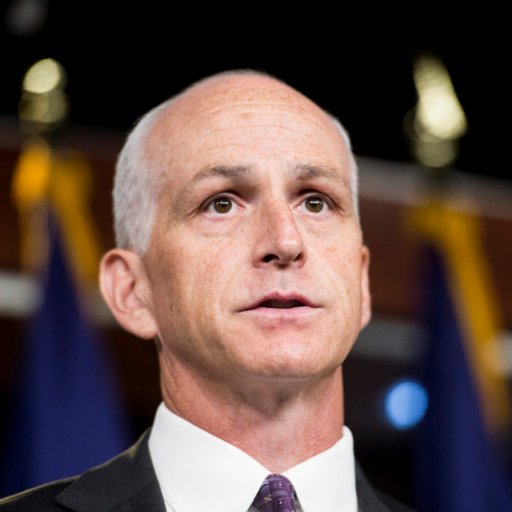
Adam Smith has 7 trade ideas tracked on Buzzberg across 7 tickers since March 2026. Ranked #744 on the Buzzberg Alpha leaderboard. Most covered: XOM, CVX, TLT.
#744Ranked Speaker
#744 of 1796 voices on Buzzberg