Robinson Says Activists Need Leverage to Win
Спикеры
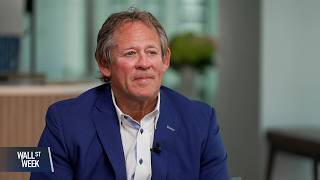
Rashad Robinson
— Author, 'From Presence to Power
Rashad Robinson discusses the difference between presence and power in activism, arguing that awareness, media attention and public support are not enough without leverage and the ability to change incentive structures. He uses examples from LGBTQ rights, racial justice, and his campaign to push Facebook to change policies. The conversation focuses on strategy for social movements rather than market calls.
- Robinson defines presence as likes, shares, headlines and polling awareness, while power is the ability to force decisions and change rules.
- He argues many protests have become choreography and are not backed by real leverage or accountability.
- He contrasts dialogue with negotiation, saying opponents prefer to keep activists in listening conversations rather than concede power.
- He recounts meeting Facebook executives Mark Zuckerberg and Sheryl Sandberg after building enough leverage, including refusing an NDA.
- He highlights early gay marriage advocacy, such as same-sex wedding announcements in newspapers, as a strategic effort to shift culture and reduce stigma.
- The interview does not lay out a specific tradable investment thesis or market direction.