Former NEC Director Gary Cohn: The market would be floundering without the AI energy trade
Speakers
Gary Cohn
— Vice Chair, IBM / Former NEC Director
Summary
Gary Cohn warns that the AI infrastructure build-out is turning historically asset-light tech giants into asset-heavy, debt-financed companies with uncertain cash flows, creating a valuation problem similar to the fiber optic bubble. He believes compute will likely be overbuilt and become a commodity, benefiting later buyers rather than today’s heavy spenders. He notes the market’s dependence on the AI-energy trade and mentions quantum computing as a future disruption.
- Large tech firms (Magnificent Seven) are shifting from asset-light cash generators to asset-heavy AI capex spenders, reducing free cash flow.
- Valuations based on high-growth, cash-flow models may no longer apply; investors need a new valuation framework.
- Cohn sees a risk that AI compute infrastructure will be overbuilt and commoditized, repeating the fiber optic bubble where early builders (WorldCom, Enron) never monetized.
- He warns that just because companies want to dominate does not mean they will make money; the eventual buyers of distressed assets may capture the value.
- The stock market this year is almost entirely driven by the AI and energy trades; stripping them out reveals a negative market.
- Quantum computing is emerging and will require different infrastructure from current data centers, adding another layer of uncertainty for today’s AI capex plans.
Ideas
Mag-7 AI capex leads to overbuild, de-rating risk
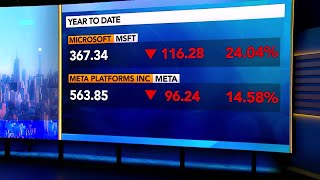
Companies that were historically asset-light, IP-heavy cash generators (the Magnificent Seven) are now becoming asset-heavy by pouring capex into AI infrastructure, issuing equity and debt and no longer generating free cash flow. This shift, combined with the risk that the massive buildout will create an overcapacity of compute that becomes a commodity, will likely lead to a de-rating of these stocks as investors cannot value them as growth companies under the new asset-heavy model. Historical parallel: the fiber optic bubble where WorldCom, Enron, and Global Crossing never monetized the infrastructure, and the next buyers acquired it at deep discounts.