Hormuz's closure will not be felt evenly around the world, says Rochefort's Kyle Bass
Speakers
Kyle Bass
— Founder, Hayman Capital Management
Summary
Kyle Bass discusses the uneven impact of the Hormuz closure, predicting severe refined product cost spikes for Europe, UK, and Australia due to their green policies and offshored refining. He contrasts this with the US's energy and tech advantages and highlights strong tailwinds for US defense spending driven by geopolitical tensions and proposed budget increases.
- Bass argues Hormuz closure will affect countries differently; those with limited refining capacity will suffer most.
- He expects Europe, UK, and Australia to pay $200-250/barrel for refined products like diesel and jet fuel.
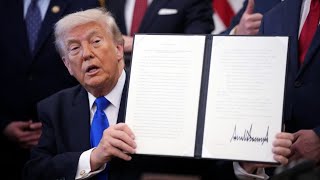
- Bass is bullish on US defense spending, citing Trump's proposed 50% increase to $1.5 trillion.
- Europe must also increase defense spending to meet NATO commitments, adding to global defense tailwinds.
- US defense budget could rise from 3% to 4.5% of GDP, a multi-decade driver.
- Bass's firm Rochefort invests in defense and industrial companies, focusing on munitions and smaller weapons.
- He contrasts US energy and tech dominance with green policy vulnerabilities in other developed nations.
- The market appears complacent about geopolitical risks, according to Bass.
Ideas
Defense spending tailwinds from US and Europe.
US defense spending will increase significantly from the current ~3% of GDP to at least 4.5% due to geopolitical tensions, Trump's proposed 50% budget increase, and Europe's need to ramp up its own defense investments. This will create strong tailwinds for defense companies, especially those involved in munitions and smaller weapons systems, driving spending for the next decade.