Pres. Trump's attempt to dismiss Lisa Cook is 'puzzling', says Allianz Mohamed El-Erian
Summary
Mohamed El-Erian discusses Trump's renewed attempt to fire Fed Governor Lisa Cook, explaining why markets showed almost no reaction. He argues that confidence in new Fed Chair Warsh's belief in Fed independence calmed investors, and that Warsh's policy approach is being misread. El-Erian also analyses the structure behind elevated long-term Treasury yields, noting massive funding needs and shifting capital flows keep the 30-year around 5.20%.
- Trump's second effort to remove Fed Governor Lisa Cook drew virtually no market reaction in fixed income.
- El-Erian attributes the calm to market comfort that Fed Chair Warsh strongly supports Fed independence and can manage the FOMC.
- He contends Warsh's reforms and task forces are gaining consensus, and dropping forward guidance makes sense in a fluid global environment.
- Warsh's reaction function is interest-rate focused with a supply-side dimension, which was clearer in earlier speeches than at his press conference.
- The debate over Fed communication centers on the line between reaction function and forward guidance.
- El-Erian says the long-end, especially the 30-year, is stuck near 5.20% because of a surge in demand for loanable funds (Alphabet capex, deficits) and reduced Gulf capital flows.
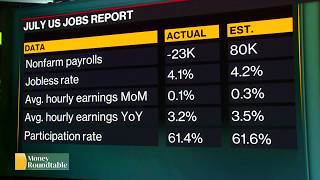
- Inflation break-evens are stable, suggesting no loss of Fed credibility, and the jobs report lowered rate-hike probability by about 10 basis points.
Ideas
Up Next

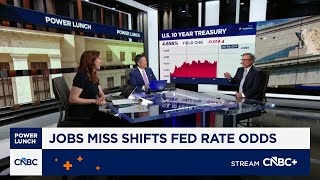


This CNBC video, published August 07, 2026, features Mohamed El-Erian discussing 30-Year US Treasury Yield. 1 trade idea extracted by AI with direction and confidence scoring.
Speakers: Mohamed El-Erian · Tickers: 30-Year US Treasury Yield