OpenAI vs. Anthropic, the AI shift that's rattling software stocks and AI Super bowl commercials
Summary
CNBC's Deirdre Bosa interviews Guillermo Rauch, co-founder and CEO of Vercel, about the rapid AI model releases from OpenAI, Anthropic, and Google and the resulting pressure on software stocks. Rauch argues AI coding agents are making software cheaper and more generative, threatening legacy software pricing while driving more workloads to cloud infrastructure. He also discusses private AI labs, open-source Chinese models, agent security, and Google's potential AI comeback.
- AI model releases intensify competition among OpenAI, Anthropic, Google, and others.
- AI coding agents enable non-technical users to build and deploy software quickly.
- Legacy software and SaaS face downward pricing pressure as software becomes generative.
- Cloud infrastructure is seen as a beneficiary as AI agent workloads move to cloud.
- Open-source and Chinese models offer cheaper alternatives but remain behind frontier.
- Security, sandboxing, and virtualization are key requirements for autonomous agents.
- Google is viewed as a potential AI comeback story on image/video model strength.
- The episode highlights private AI labs and Vercel, limiting direct public-market expressions.
Ideas
Up Next



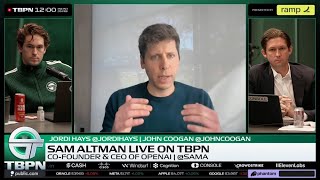

This CNBC video, published February 05, 2026, features Guillermo Rauch discussing IGV, SKYY, GOOG. 3 trade ideas extracted by AI with direction and confidence scoring.
Speakers: Guillermo Rauch · Tickers: IGV, SKYY, GOOG