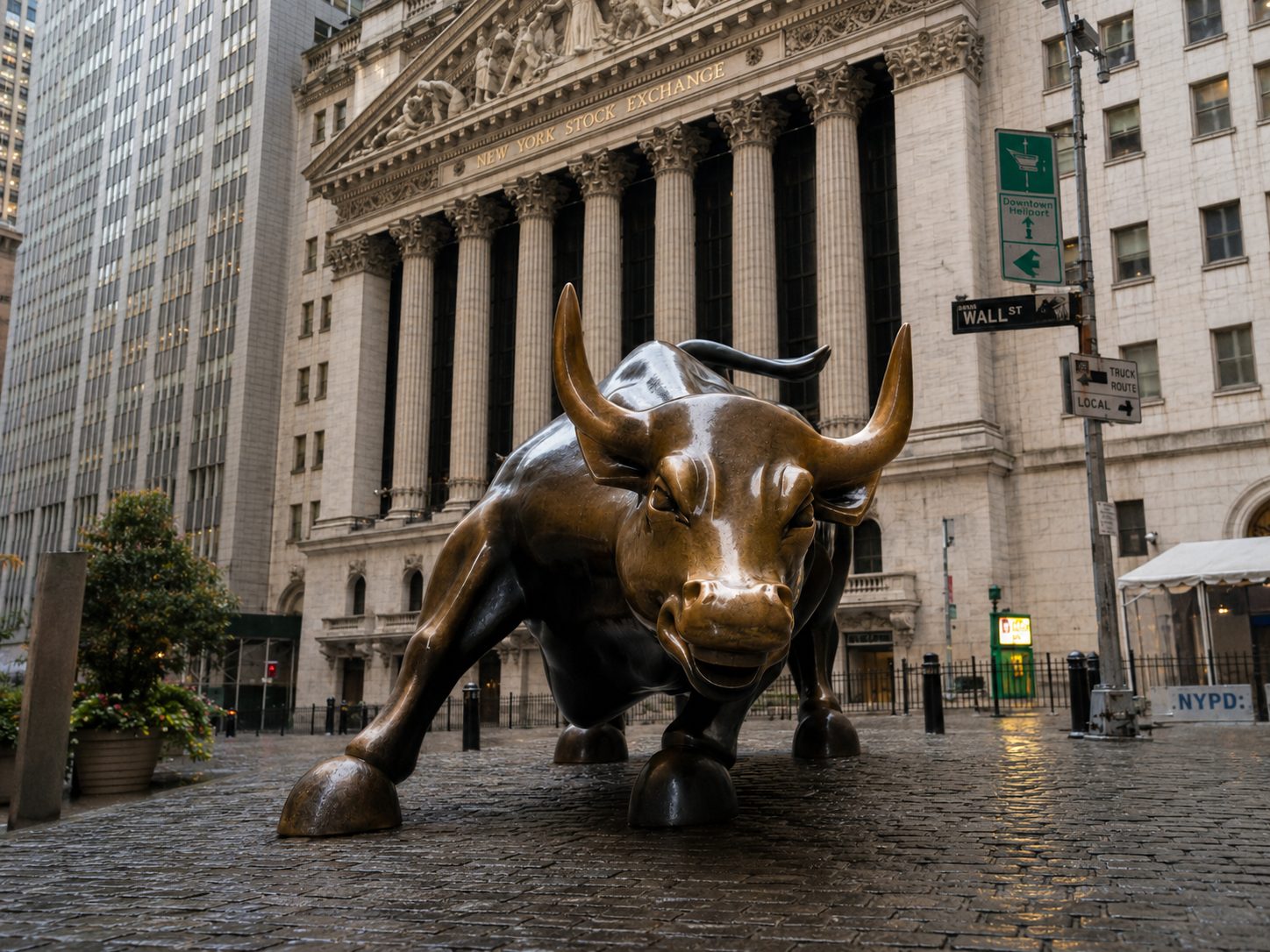
The author posits that Iran is offering the U.S. a diplomatic "off-ramp" to de-escalate the conflict, which could be politically advantageous for the current U.S. administration. A reduction in geopolitical tension, particularly involving a major oil-producing region, would remove a significant source of market uncertainty and risk. This would likely be perceived positively by investors, leading to a broad market rally. A potential de-escalation with Iran could trigger a risk-on sentiment, benefiting the overall market as represented by the S&P 500. This is a short-term trade based on a potential positive geopolitical catalyst. The situation could escalate further if either side rejects the "off-ramp," or if other actors like Israel take actions that force the U.S. to remain involved. The author's interpretation of Iran's intentions could be incorrect.
The author posits that Iran is offering the U.S. a diplomatic "off-ramp" to de-escalate the conflict, which could be politically advantageous for the current U.S. administration. A reduction in geopolitical tension, particularly involving a major oil-producing region, would remove a significant source of market uncertainty and risk. This would likely be perceived positively by investors, leading to a broad market rally. A potential de-escalation with Iran could trigger a risk-on sentiment, benefiting the overall market as represented by the S&P 500. This is a short-term trade based on a potential positive geopolitical catalyst. The situation could escalate further if either side rejects the "off-ramp," or if other actors like Israel take actions that force the U.S. to remain involved. The author's interpretation of Iran's intentions could be incorrect.
The author notes that Iran has "allowed shipping to pass for certain countries, and the list will probably grow over time," suggesting a potential easing of restrictions in the Strait of Hormuz. The current high price of oil is partially supported by a geopolitical risk premium related to the conflict and shipping disruptions. A de-escalation and the reopening of key shipping lanes would reduce this premium, likely causing oil prices to fall. If Iran and the U.S. move towards a temporary truce or deal, the perceived risk to global oil supply will decrease, putting downward pressure on crude oil prices. The de-escalation may not materialize. Iran could reverse its stance on shipping at any moment. Underlying supply/demand fundamentals for oil could outweigh the geopolitical factors.
The author notes that Iran has "allowed shipping to pass for certain countries, and the list will probably grow over time," suggesting a potential easing of restrictions in the Strait of Hormuz. The current high price of oil is partially supported by a geopolitical risk premium related to the conflict and shipping disruptions. A de-escalation and the reopening of key shipping lanes would reduce this premium, likely causing oil prices to fall. If Iran and the U.S. move towards a temporary truce or deal, the perceived risk to global oil supply will decrease, putting downward pressure on crude oil prices. The de-escalation may not materialize. Iran could reverse its stance on shipping at any moment. Underlying supply/demand fundamentals for oil could outweigh the geopolitical factors.