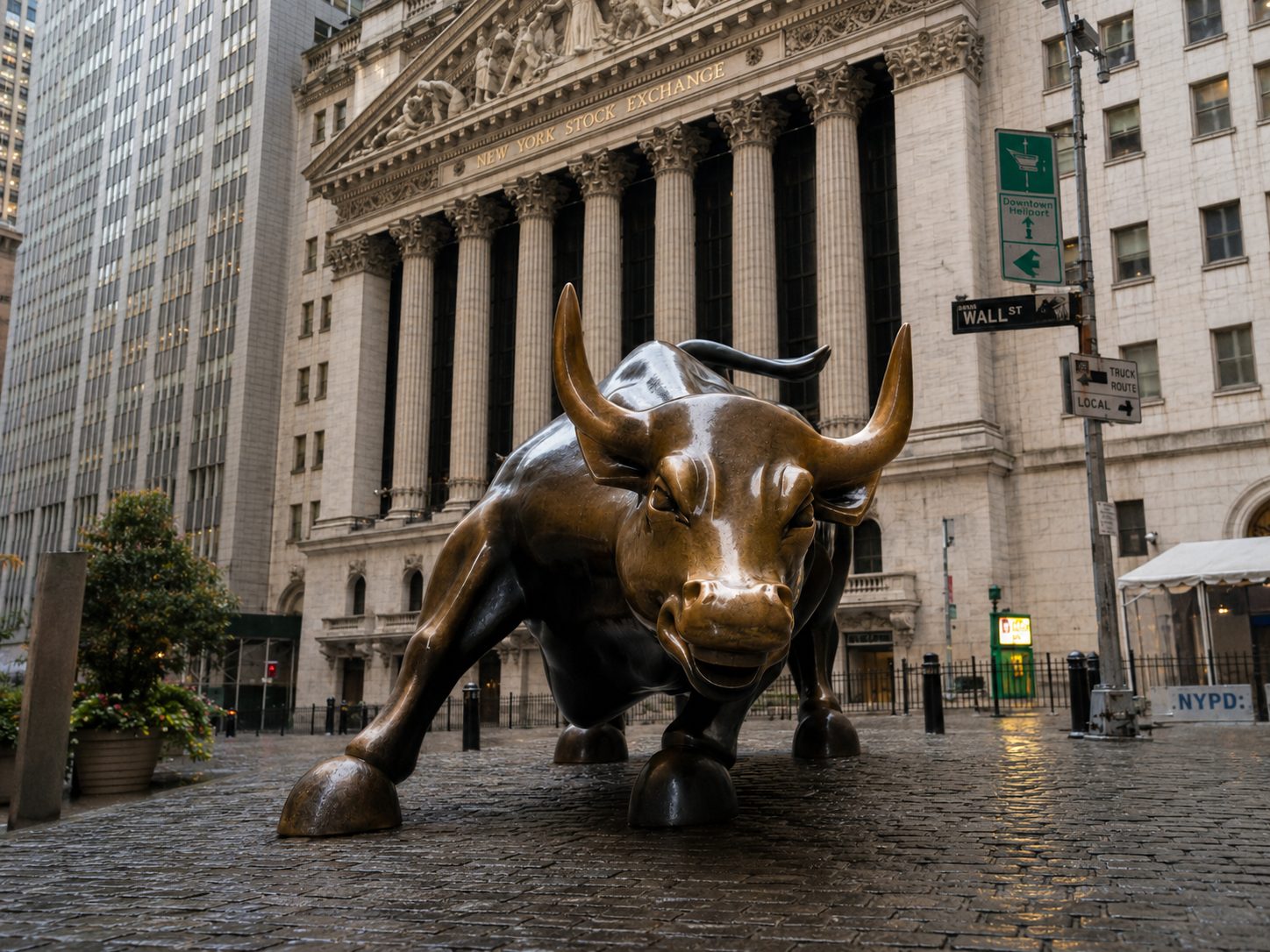
The author argues the S&P 500 index inherently captures major economic shifts (PC, internet, AI) and automatically removes failing companies (Sears, Kodak). This systematic process historically outperforms most active managers, making the index a foundational, low-effort investment for long-term growth. SPY (or any S&P 500 index fund) should be the core holding of any portfolio to reliably participate in market gains while avoiding stock-specific disasters. A systemic, prolonged market depression (like 1929) could invalidate the strategy in the short-to-medium term. Active management could theoretically outperform in certain cycles.
The author argues the S&P 500 index inherently captures major economic shifts (PC, internet, AI) and automatically removes failing companies (Sears, Kodak). This systematic process historically outperforms most active managers, making the index a foundational, low-effort investment for long-term growth. SPY (or any S&P 500 index fund) should be the core holding of any portfolio to reliably participate in market gains while avoiding stock-specific disasters. A systemic, prolonged market depression (like 1929) could invalidate the strategy in the short-to-medium term. Active management could theoretically outperform in certain cycles.