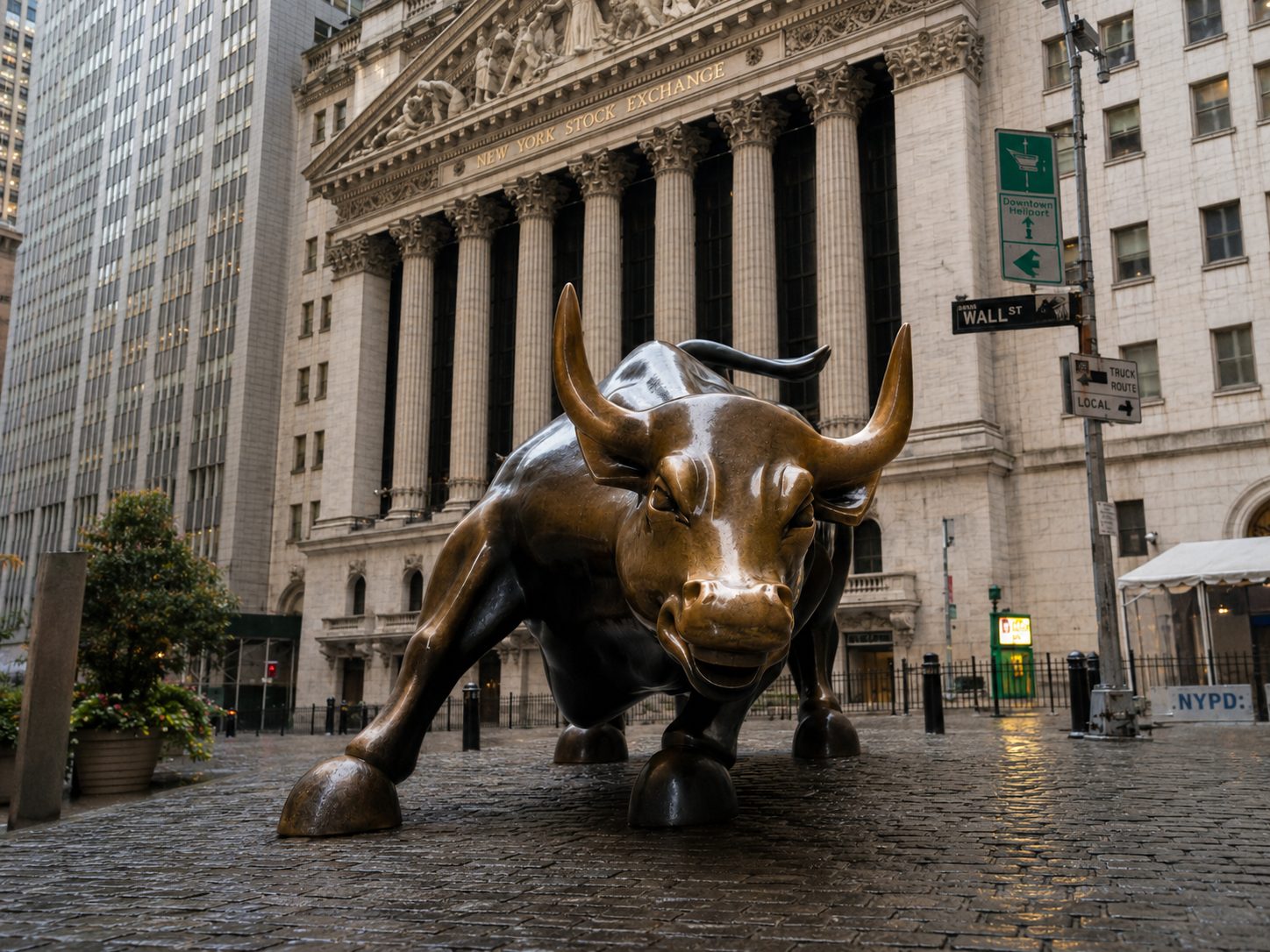
The author states the event "could be very bullish for the stock market in general," citing reduced pressure from oil prices. Resolving a major geopolitical blockage and lowering a key input cost (oil) would reduce macroeconomic uncertainty and inflation pressure, benefiting corporate earnings and valuations. De-escalation in a key trade route is a net positive for broader market risk sentiment. The market may have already priced in a resolution, or the event may be an isolated incident with no broader follow-through.
The author states the event "could be very bullish for the stock market in general," citing reduced pressure from oil prices. Resolving a major geopolitical blockage and lowering a key input cost (oil) would reduce macroeconomic uncertainty and inflation pressure, benefiting corporate earnings and valuations. De-escalation in a key trade route is a net positive for broader market risk sentiment. The market may have already priced in a resolution, or the event may be an isolated incident with no broader follow-through.
The author suggests the "white list" could soon include oil tankers, which would increase supply transit through the Strait of Hormuz. Increased oil shipments would relieve a major supply chokepoint, putting downward pressure on global oil prices. A potential reopening of the Strait to oil tankers is a catalyst for lower oil prices. The deal could fall apart, Iran could reverse course, or geopolitical tensions could re-escalate, keeping the strait restricted.
The author suggests the "white list" could soon include oil tankers, which would increase supply transit through the Strait of Hormuz. Increased oil shipments would relieve a major supply chokepoint, putting downward pressure on global oil prices. A potential reopening of the Strait to oil tankers is a catalyst for lower oil prices. The deal could fall apart, Iran could reverse course, or geopolitical tensions could re-escalate, keeping the strait restricted.