BUZZBERGThe leaderboard is ranked by Alpha Score, which weighs a speaker's average return, their number of calls, and reputation — a credibility rating of the source that can only raise a score, never lower it.Read the FAQ
The Humanity Protocol token (H) serves as the gas token for the chain and is required for credential issuers to stake and for verifiers to earn rewards. As enterprises adopt on-chain identity verification (partnering with Mastercard, universities, etc.), demand for H will increase from both staking and verification fees, creating a self-sustaining token economy.
The speaker notes that Humanity Protocol has partnered with Mastercard (MA) for financial verification. He also validates his technology choice by noting that Amazon (AMZN) and Tencent (TCEHY) have been using palm scanning for payments for years. The adoption of biometric verification by legacy finance (Mastercard) and big tech (Amazon/Tencent) signals that this technology stack is moving to the mainstream. These companies are effectively the "picks and shovels" or the validated infrastructure providers for the biometric economy. LONG. Institutional validation reduces technology risk for these incumbents rolling out identity solutions. Slow consumer adoption rates for biometric payments due to privacy fears.
The speaker notes that Humanity Protocol has partnered with Mastercard (MA) for financial verification. He also validates his technology choice by noting that Amazon (AMZN) and Tencent (TCEHY) have been using palm scanning for payments for years. The adoption of biometric verification by legacy finance (Mastercard) and big tech (Amazon/Tencent) signals that this technology stack is moving to the mainstream. These companies are effectively the "picks and shovels" or the validated infrastructure providers for the biometric economy. LONG. Institutional validation reduces technology risk for these incumbents rolling out identity solutions. Slow consumer adoption rates for biometric payments due to privacy fears.
The speaker notes that Humanity Protocol has partnered with Mastercard (MA) for financial verification. He also validates his technology choice by noting that Amazon (AMZN) and Tencent (TCEHY) have been using palm scanning for payments for years. The adoption of biometric verification by legacy finance (Mastercard) and big tech (Amazon/Tencent) signals that this technology stack is moving to the mainstream. These companies are effectively the "picks and shovels" or the validated infrastructure providers for the biometric economy. LONG. Institutional validation reduces technology risk for these incumbents rolling out identity solutions. Slow consumer adoption rates for biometric payments due to privacy fears.
The speaker notes that Humanity Protocol has partnered with Mastercard (MA) for financial verification. He also validates his technology choice by noting that Amazon (AMZN) and Tencent (TCEHY) have been using palm scanning for payments for years. The adoption of biometric verification by legacy finance (Mastercard) and big tech (Amazon/Tencent) signals that this technology stack is moving to the mainstream. These companies are effectively the "picks and shovels" or the validated infrastructure providers for the biometric economy. LONG. Institutional validation reduces technology risk for these incumbents rolling out identity solutions. Slow consumer adoption rates for biometric payments due to privacy fears.
The speaker notes that Humanity Protocol has partnered with Mastercard (MA) for financial verification. He also validates his technology choice by noting that Amazon (AMZN) and Tencent (TCEHY) have been using palm scanning for payments for years. The adoption of biometric verification by legacy finance (Mastercard) and big tech (Amazon/Tencent) signals that this technology stack is moving to the mainstream. These companies are effectively the "picks and shovels" or the validated infrastructure providers for the biometric economy. LONG. Institutional validation reduces technology risk for these incumbents rolling out identity solutions. Slow consumer adoption rates for biometric payments due to privacy fears.
The speaker notes that Humanity Protocol has partnered with Mastercard (MA) for financial verification. He also validates his technology choice by noting that Amazon (AMZN) and Tencent (TCEHY) have been using palm scanning for payments for years. The adoption of biometric verification by legacy finance (Mastercard) and big tech (Amazon/Tencent) signals that this technology stack is moving to the mainstream. These companies are effectively the "picks and shovels" or the validated infrastructure providers for the biometric economy. LONG. Institutional validation reduces technology risk for these incumbents rolling out identity solutions. Slow consumer adoption rates for biometric payments due to privacy fears.
The speaker states that verifying "physical proof of humanity" is now the most critical piece of infrastructure needed for the internet due to AI agents and deepfakes. He explicitly mentions Worldcoin (WLD) as the incumbent using iris scans, while his protocol uses palm scans. As AI agents flood the internet, "Proof of Personhood" becomes a prerequisite for any digital interaction (DeFi, social media, voting). While the speaker is competing with Worldcoin, the macro thesis validates the entire *sector* of biometric identity on-chain. If Humanity Protocol succeeds, it reinforces the narrative that biometric crypto-assets are essential utilities, not just speculative tokens. LONG. The sector is transitioning from "novelty" to "necessary security infrastructure." Privacy backlash against biometric data collection or regulatory bans on biometric tokens.
The speaker states that verifying "physical proof of humanity" is now the most critical piece of infrastructure needed for the internet due to AI agents and deepfakes. He explicitly mentions Worldcoin (WLD) as the incumbent using iris scans, while his protocol uses palm scans. As AI agents flood the internet, "Proof of Personhood" becomes a prerequisite for any digital interaction (DeFi, social media, voting). While the speaker is competing with Worldcoin, the macro thesis validates the entire *sector* of biometric identity on-chain. If Humanity Protocol succeeds, it reinforces the narrative that biometric crypto-assets are essential utilities, not just speculative tokens. LONG. The sector is transitioning from "novelty" to "necessary security infrastructure." Privacy backlash against biometric data collection or regulatory bans on biometric tokens.
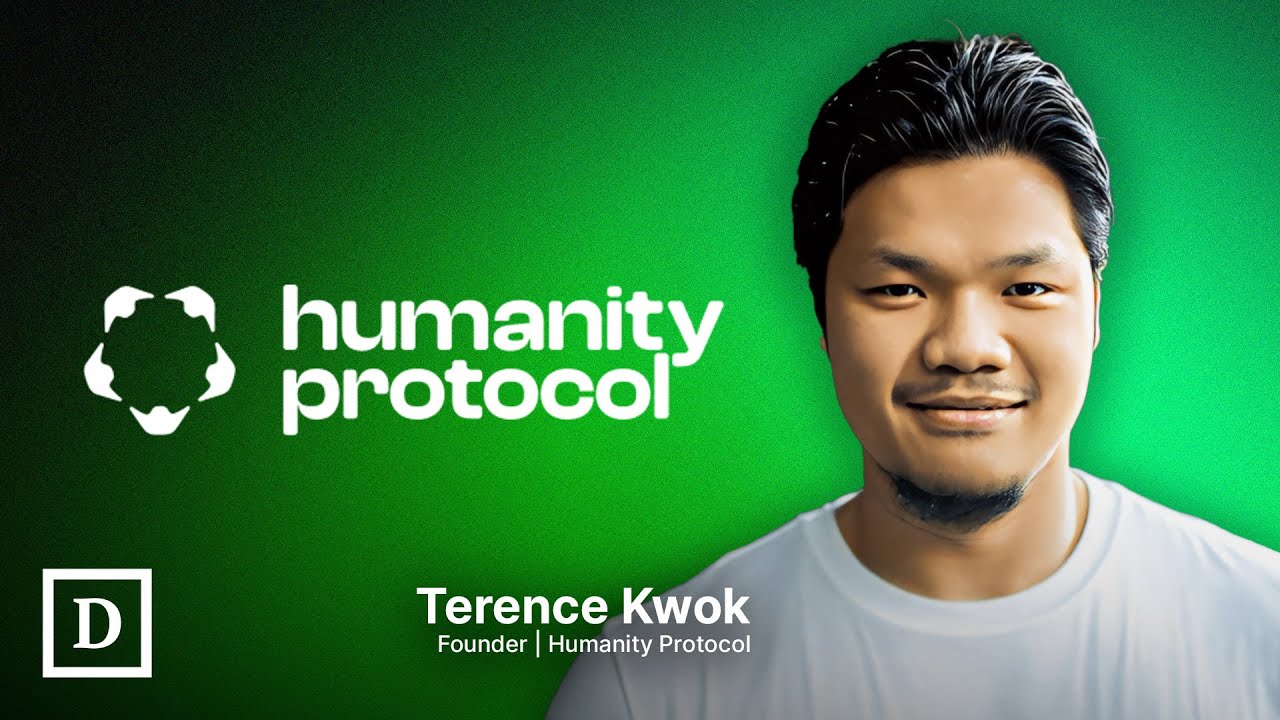
Terrence Pluff has 5 trade ideas tracked on Buzzberg across 5 tickers since February 2026. Ranked #773 on the Buzzberg Alpha leaderboard. Most covered: AMZN, MA, H.
#773Ranked Speaker
#773 of 1796 voices on Buzzberg