BUZZBERGThe leaderboard is ranked by Alpha Score, which weighs a speaker's average return, their number of calls, and reputation — a credibility rating of the source that can only raise a score, never lower it.Read the FAQ
The shift toward renewable energy and away from fossil fuels, as advocated, signals a long-term decline in oil demand, which would translate into lower crude oil and gasoline prices over time.
"When you show weakness and you lower your deterrence, then you invite aggression... I'm more concerned about the Chinese Communist Party and their economic, military, and technological aggression." While the immediate focus is Iran, the Congressman's broader thesis is that the US is under-resourced in the Indo-Pacific. This bipartisan pressure (from Intel/China committees) supports sustained long-term defense spending, particularly for naval and aerial assets (Raytheon, Lockheed) required for dual-theater deterrence. Long Defense (ITA) as global instability (Middle East + China) acts as a tailwind for the sector. Budget sequestration or diversion of funds due to the government shutdown.
"When you show weakness and you lower your deterrence, then you invite aggression... I'm more concerned about the Chinese Communist Party and their economic, military, and technological aggression." While the immediate focus is Iran, the Congressman's broader thesis is that the US is under-resourced in the Indo-Pacific. This bipartisan pressure (from Intel/China committees) supports sustained long-term defense spending, particularly for naval and aerial assets (Raytheon, Lockheed) required for dual-theater deterrence. Long Defense (ITA) as global instability (Middle East + China) acts as a tailwind for the sector. Budget sequestration or diversion of funds due to the government shutdown.
"I'm concerned that we're gonna potentially end up in another war in The Middle East... President Trump authorize the use of force in Iran." The Congressman highlights a high probability of kinetic action against Iran. Any military escalation in this region historically threatens the Strait of Hormuz and oil infrastructure, necessitating a geopolitical risk premium on energy prices. Long Energy (XLE) and Oil (USO) as a hedge against supply shocks and war risk. Diplomatic de-escalation or US energy production offsetting global supply fears.
"I'm concerned that we're gonna potentially end up in another war in The Middle East... President Trump authorize the use of force in Iran." The Congressman highlights a high probability of kinetic action against Iran. Any military escalation in this region historically threatens the Strait of Hormuz and oil infrastructure, necessitating a geopolitical risk premium on energy prices. Long Energy (XLE) and Oil (USO) as a hedge against supply shocks and war risk. Diplomatic de-escalation or US energy production offsetting global supply fears.
Iran has no military solution but controls the Strait of Hormuz, giving it economic leverage; if the US pursues an economic D-Day on Iran, Iran can make Americans pay via higher gasoline, with $4 gasoline potentially rising to $5. That creates upside risk for oil and gasoline.
To remove Iran's leverage over energy supplies via the Strait of Hormuz, the US should embrace renewable energy—solar, wind, and EV technology—and wean off fossil fuels. This shift would signal a market move away from oil, making renewables and EVs attractive.
To remove Iran's leverage over energy supplies via the Strait of Hormuz, the US should embrace renewable energy—solar, wind, and EV technology—and wean off fossil fuels. This shift would signal a market move away from oil, making renewables and EVs attractive.
"Aggression can spark conflict and lead to war... partial shutdown that we're now four days into." The combination of a dysfunctional government (shutdown) and looming war risk (Iran) creates a classic "fear trade" environment. Uncertainty drives capital toward non-sovereign stores of value. Long Gold (GLD) as a safe-haven asset. Strong US Dollar or rising real yields dampening gold appeal.
"Aggression can spark conflict and lead to war... partial shutdown that we're now four days into." The combination of a dysfunctional government (shutdown) and looming war risk (Iran) creates a classic "fear trade" environment. Uncertainty drives capital toward non-sovereign stores of value. Long Gold (GLD) as a safe-haven asset. Strong US Dollar or rising real yields dampening gold appeal.
"When you show weakness and you lower your deterrence, then you invite aggression... I'm more concerned about the Chinese Communist Party and their economic, military, and technological aggression." While the immediate focus is Iran, the Congressman's broader thesis is that the US is under-resourced in the Indo-Pacific. This bipartisan pressure (from Intel/China committees) supports sustained long-term defense spending, particularly for naval and aerial assets (Raytheon, Lockheed) required for dual-theater deterrence. Long Defense (ITA) as global instability (Middle East + China) acts as a tailwind for the sector. Budget sequestration or diversion of funds due to the government shutdown.
"When you show weakness and you lower your deterrence, then you invite aggression... I'm more concerned about the Chinese Communist Party and their economic, military, and technological aggression." While the immediate focus is Iran, the Congressman's broader thesis is that the US is under-resourced in the Indo-Pacific. This bipartisan pressure (from Intel/China committees) supports sustained long-term defense spending, particularly for naval and aerial assets (Raytheon, Lockheed) required for dual-theater deterrence. Long Defense (ITA) as global instability (Middle East + China) acts as a tailwind for the sector. Budget sequestration or diversion of funds due to the government shutdown.
"When you show weakness and you lower your deterrence, then you invite aggression... I'm more concerned about the Chinese Communist Party and their economic, military, and technological aggression." While the immediate focus is Iran, the Congressman's broader thesis is that the US is under-resourced in the Indo-Pacific. This bipartisan pressure (from Intel/China committees) supports sustained long-term defense spending, particularly for naval and aerial assets (Raytheon, Lockheed) required for dual-theater deterrence. Long Defense (ITA) as global instability (Middle East + China) acts as a tailwind for the sector. Budget sequestration or diversion of funds due to the government shutdown.
"When you show weakness and you lower your deterrence, then you invite aggression... I'm more concerned about the Chinese Communist Party and their economic, military, and technological aggression." While the immediate focus is Iran, the Congressman's broader thesis is that the US is under-resourced in the Indo-Pacific. This bipartisan pressure (from Intel/China committees) supports sustained long-term defense spending, particularly for naval and aerial assets (Raytheon, Lockheed) required for dual-theater deterrence. Long Defense (ITA) as global instability (Middle East + China) acts as a tailwind for the sector. Budget sequestration or diversion of funds due to the government shutdown.
"I'm concerned that we're gonna potentially end up in another war in The Middle East... President Trump authorize the use of force in Iran." The Congressman highlights a high probability of kinetic action against Iran. Any military escalation in this region historically threatens the Strait of Hormuz and oil infrastructure, necessitating a geopolitical risk premium on energy prices. Long Energy (XLE) and Oil (USO) as a hedge against supply shocks and war risk. Diplomatic de-escalation or US energy production offsetting global supply fears.
"I'm concerned that we're gonna potentially end up in another war in The Middle East... President Trump authorize the use of force in Iran." The Congressman highlights a high probability of kinetic action against Iran. Any military escalation in this region historically threatens the Strait of Hormuz and oil infrastructure, necessitating a geopolitical risk premium on energy prices. Long Energy (XLE) and Oil (USO) as a hedge against supply shocks and war risk. Diplomatic de-escalation or US energy production offsetting global supply fears.
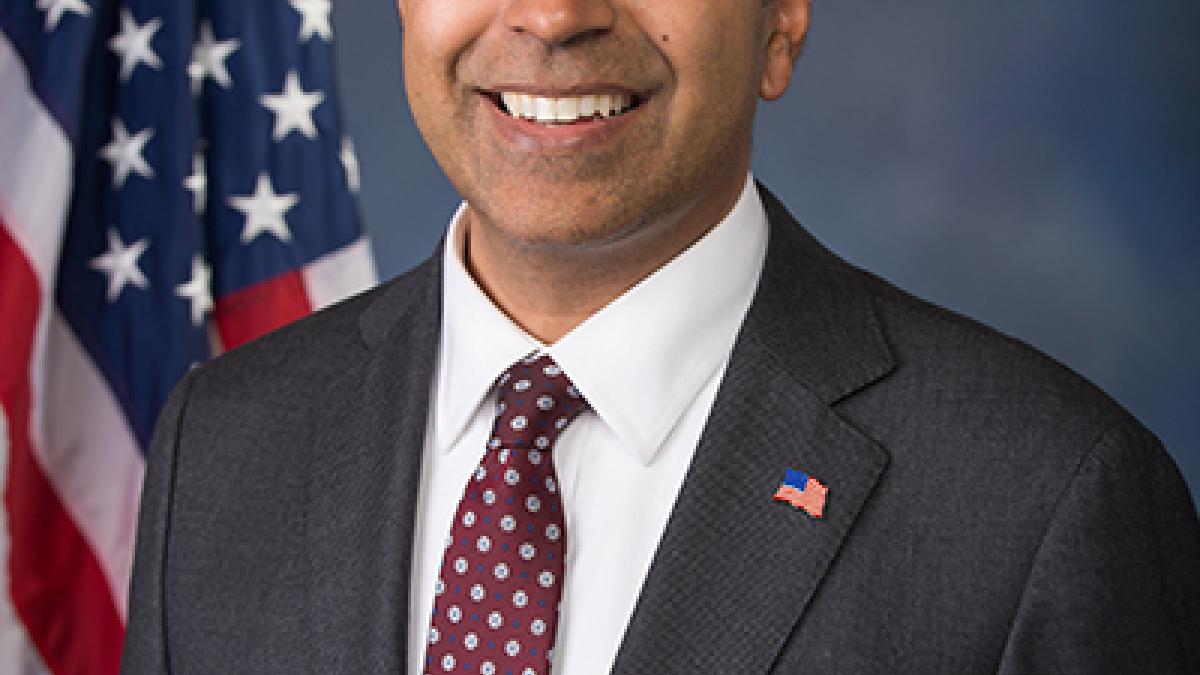
Raja Krishnamoorthi has 10 trade ideas tracked on Buzzberg across 10 tickers since February 2026. Ranked #453 on the Buzzberg Alpha leaderboard. Most covered: BNO, ITA, FAN.
#453Ranked Speaker
#453 of 1818 voices on Buzzberg