BUZZBERGThe leaderboard is ranked by Alpha Score, which weighs a speaker's average return, their number of calls, and reputation — a credibility rating of the source that can only raise a score, never lower it.Read the FAQ
O'Hanlon notes that if Iran faces a US strike, they may play their strongest card: "Start trying to shut down the Strait of Hormuz... using mines, sinking the occasional ship." The Strait of Hormuz is a critical chokepoint for global oil. Any credible threat of mining or closure creates an immediate supply shock fear, driving up crude oil futures and energy equities. LONG Oil and Energy producers as a geopolitical hedge against failed negotiations. Trump successfully negotiates a "deal" without striking, causing the war premium to vanish rapidly.
O'Hanlon notes that if Iran faces a US strike, they may play their strongest card: "Start trying to shut down the Strait of Hormuz... using mines, sinking the occasional ship." The Strait of Hormuz is a critical chokepoint for global oil. Any credible threat of mining or closure creates an immediate supply shock fear, driving up crude oil futures and energy equities. LONG Oil and Energy producers as a geopolitical hedge against failed negotiations. Trump successfully negotiates a "deal" without striking, causing the war premium to vanish rapidly.
O'Hanlon explicitly mentions Iran's potential to start "sinking the occasional ship" and "causing mayhem in the region" to interfere with trade. When oil tankers face physical threats in key waterways, insurance premiums skyrocket and routes become longer or supply of willing vessels tightens. Historically, this drives shipping rates (freight) significantly higher, benefiting tanker operators. LONG Oil Tankers as a volatility play on supply chain disruption. Total closure of the Strait (vs. harassment) could halt volume entirely, hurting shippers rather than just raising rates.
O'Hanlon explicitly mentions Iran's potential to start "sinking the occasional ship" and "causing mayhem in the region" to interfere with trade. When oil tankers face physical threats in key waterways, insurance premiums skyrocket and routes become longer or supply of willing vessels tightens. Historically, this drives shipping rates (freight) significantly higher, benefiting tanker operators. LONG Oil Tankers as a volatility play on supply chain disruption. Total closure of the Strait (vs. harassment) could halt volume entirely, hurting shippers rather than just raising rates.
The speaker highlights an "historic amount of hardware out there" and suggests Trump "appears ready to attack Iran" if they refuse a nuclear deal. Kinetic military action involves the expenditure of munitions and the active use of platforms, which directly benefits defense contractors and reinforces the sector's revenue visibility. LONG Defense ETFs/Contractors on the rising probability of kinetic engagement. A diplomatic breakthrough results in de-escalation and reduced immediate demand for munitions.
The speaker highlights an "historic amount of hardware out there" and suggests Trump "appears ready to attack Iran" if they refuse a nuclear deal. Kinetic military action involves the expenditure of munitions and the active use of platforms, which directly benefits defense contractors and reinforces the sector's revenue visibility. LONG Defense ETFs/Contractors on the rising probability of kinetic engagement. A diplomatic breakthrough results in de-escalation and reduced immediate demand for munitions.
O'Hanlon explicitly mentions Iran's potential to start "sinking the occasional ship" and "causing mayhem in the region" to interfere with trade. When oil tankers face physical threats in key waterways, insurance premiums skyrocket and routes become longer or supply of willing vessels tightens. Historically, this drives shipping rates (freight) significantly higher, benefiting tanker operators. LONG Oil Tankers as a volatility play on supply chain disruption. Total closure of the Strait (vs. harassment) could halt volume entirely, hurting shippers rather than just raising rates.
O'Hanlon explicitly mentions Iran's potential to start "sinking the occasional ship" and "causing mayhem in the region" to interfere with trade. When oil tankers face physical threats in key waterways, insurance premiums skyrocket and routes become longer or supply of willing vessels tightens. Historically, this drives shipping rates (freight) significantly higher, benefiting tanker operators. LONG Oil Tankers as a volatility play on supply chain disruption. Total closure of the Strait (vs. harassment) could halt volume entirely, hurting shippers rather than just raising rates.
O'Hanlon notes that if Iran faces a US strike, they may play their strongest card: "Start trying to shut down the Strait of Hormuz... using mines, sinking the occasional ship." The Strait of Hormuz is a critical chokepoint for global oil. Any credible threat of mining or closure creates an immediate supply shock fear, driving up crude oil futures and energy equities. LONG Oil and Energy producers as a geopolitical hedge against failed negotiations. Trump successfully negotiates a "deal" without striking, causing the war premium to vanish rapidly.
O'Hanlon notes that if Iran faces a US strike, they may play their strongest card: "Start trying to shut down the Strait of Hormuz... using mines, sinking the occasional ship." The Strait of Hormuz is a critical chokepoint for global oil. Any credible threat of mining or closure creates an immediate supply shock fear, driving up crude oil futures and energy equities. LONG Oil and Energy producers as a geopolitical hedge against failed negotiations. Trump successfully negotiates a "deal" without striking, causing the war premium to vanish rapidly.
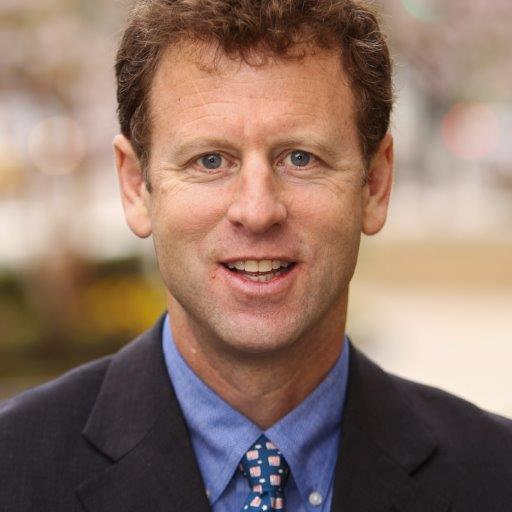
Michael O'Hanlon has 5 trade ideas tracked on Buzzberg across 5 tickers since February 2026. Ranked #163 on the Buzzberg Alpha leaderboard. Most covered: ITA, XLE, BNO.
#163Ranked Speaker
#163 of 1394 voices on Buzzberg