BUZZBERGThe leaderboard is ranked by Alpha Score, which weighs a speaker's average return, their number of calls, and reputation — a credibility rating of the source that can only raise a score, never lower it.Read the FAQ
Iran has sunk 20 ships and is using a "vast armada of small craft" and mines to interfere with shipping in the Gulf. A hostile maritime environment reduces the supply of available tankers (due to damage or fear). This drives freight rates (tanker day rates) sky-high for the vessels that are willing to sail, or forces longer routes around the conflict zone, tightening global tonnage supply. LONG. Tanker stocks historically surge during Middle East maritime conflicts due to the "War Risk Premium" on freight rates. Total closure of the Strait (volume drops to zero) or US naval escorts effectively neutralizing the threat immediately.
Iran has sunk 20 ships and is using a "vast armada of small craft" and mines to interfere with shipping in the Gulf. A hostile maritime environment reduces the supply of available tankers (due to damage or fear). This drives freight rates (tanker day rates) sky-high for the vessels that are willing to sail, or forces longer routes around the conflict zone, tightening global tonnage supply. LONG. Tanker stocks historically surge during Middle East maritime conflicts due to the "War Risk Premium" on freight rates. Total closure of the Strait (volume drops to zero) or US naval escorts effectively neutralizing the threat immediately.
Secretary Leavitt states the US is "accelerating, not decelerating" attacks. Gen. McKenzie notes the US used a submarine torpedo to sink a warship (first time since WWII) and explicitly states the "Department of War" is acting to reestablish the industrial base because the arsenal needs to be "bigger and deeper." Trump is requesting $500B in supplemental spending. The specific mention of torpedoes and the sinking of ships highlights immediate depletion of high-cost naval munitions. The $500B request signals a massive capital injection into the prime defense contractors, specifically those specializing in naval warfare (HII, GD) and missile systems (RTX, LMT) to replenish stocks. LONG. The transition from "deterrence" to "kinetic expenditure" of munitions guarantees revenue growth for primes. A sudden diplomatic resolution or ceasefire (though Blinken and McKenzie view this as unlikely in the short term).
Secretary Leavitt states the US is "accelerating, not decelerating" attacks. Gen. McKenzie notes the US used a submarine torpedo to sink a warship (first time since WWII) and explicitly states the "Department of War" is acting to reestablish the industrial base because the arsenal needs to be "bigger and deeper." Trump is requesting $500B in supplemental spending. The specific mention of torpedoes and the sinking of ships highlights immediate depletion of high-cost naval munitions. The $500B request signals a massive capital injection into the prime defense contractors, specifically those specializing in naval warfare (HII, GD) and missile systems (RTX, LMT) to replenish stocks. LONG. The transition from "deterrence" to "kinetic expenditure" of munitions guarantees revenue growth for primes. A sudden diplomatic resolution or ceasefire (though Blinken and McKenzie view this as unlikely in the short term).
Secretary Leavitt states the US is "accelerating, not decelerating" attacks. Gen. McKenzie notes the US used a submarine torpedo to sink a warship (first time since WWII) and explicitly states the "Department of War" is acting to reestablish the industrial base because the arsenal needs to be "bigger and deeper." Trump is requesting $500B in supplemental spending. The specific mention of torpedoes and the sinking of ships highlights immediate depletion of high-cost naval munitions. The $500B request signals a massive capital injection into the prime defense contractors, specifically those specializing in naval warfare (HII, GD) and missile systems (RTX, LMT) to replenish stocks. LONG. The transition from "deterrence" to "kinetic expenditure" of munitions guarantees revenue growth for primes. A sudden diplomatic resolution or ceasefire (though Blinken and McKenzie view this as unlikely in the short term).
Secretary Leavitt states the US is "accelerating, not decelerating" attacks. Gen. McKenzie notes the US used a submarine torpedo to sink a warship (first time since WWII) and explicitly states the "Department of War" is acting to reestablish the industrial base because the arsenal needs to be "bigger and deeper." Trump is requesting $500B in supplemental spending. The specific mention of torpedoes and the sinking of ships highlights immediate depletion of high-cost naval munitions. The $500B request signals a massive capital injection into the prime defense contractors, specifically those specializing in naval warfare (HII, GD) and missile systems (RTX, LMT) to replenish stocks. LONG. The transition from "deterrence" to "kinetic expenditure" of munitions guarantees revenue growth for primes. A sudden diplomatic resolution or ceasefire (though Blinken and McKenzie view this as unlikely in the short term).
Secretary Leavitt states the US is "accelerating, not decelerating" attacks. Gen. McKenzie notes the US used a submarine torpedo to sink a warship (first time since WWII) and explicitly states the "Department of War" is acting to reestablish the industrial base because the arsenal needs to be "bigger and deeper." Trump is requesting $500B in supplemental spending. The specific mention of torpedoes and the sinking of ships highlights immediate depletion of high-cost naval munitions. The $500B request signals a massive capital injection into the prime defense contractors, specifically those specializing in naval warfare (HII, GD) and missile systems (RTX, LMT) to replenish stocks. LONG. The transition from "deterrence" to "kinetic expenditure" of munitions guarantees revenue growth for primes. A sudden diplomatic resolution or ceasefire (though Blinken and McKenzie view this as unlikely in the short term).
Secretary Leavitt states the US is "accelerating, not decelerating" attacks. Gen. McKenzie notes the US used a submarine torpedo to sink a warship (first time since WWII) and explicitly states the "Department of War" is acting to reestablish the industrial base because the arsenal needs to be "bigger and deeper." Trump is requesting $500B in supplemental spending. The specific mention of torpedoes and the sinking of ships highlights immediate depletion of high-cost naval munitions. The $500B request signals a massive capital injection into the prime defense contractors, specifically those specializing in naval warfare (HII, GD) and missile systems (RTX, LMT) to replenish stocks. LONG. The transition from "deterrence" to "kinetic expenditure" of munitions guarantees revenue growth for primes. A sudden diplomatic resolution or ceasefire (though Blinken and McKenzie view this as unlikely in the short term).
Secretary Leavitt states the US is "accelerating, not decelerating" attacks. Gen. McKenzie notes the US used a submarine torpedo to sink a warship (first time since WWII) and explicitly states the "Department of War" is acting to reestablish the industrial base because the arsenal needs to be "bigger and deeper." Trump is requesting $500B in supplemental spending. The specific mention of torpedoes and the sinking of ships highlights immediate depletion of high-cost naval munitions. The $500B request signals a massive capital injection into the prime defense contractors, specifically those specializing in naval warfare (HII, GD) and missile systems (RTX, LMT) to replenish stocks. LONG. The transition from "deterrence" to "kinetic expenditure" of munitions guarantees revenue growth for primes. A sudden diplomatic resolution or ceasefire (though Blinken and McKenzie view this as unlikely in the short term).
Secretary Leavitt states the US is "accelerating, not decelerating" attacks. Gen. McKenzie notes the US used a submarine torpedo to sink a warship (first time since WWII) and explicitly states the "Department of War" is acting to reestablish the industrial base because the arsenal needs to be "bigger and deeper." Trump is requesting $500B in supplemental spending. The specific mention of torpedoes and the sinking of ships highlights immediate depletion of high-cost naval munitions. The $500B request signals a massive capital injection into the prime defense contractors, specifically those specializing in naval warfare (HII, GD) and missile systems (RTX, LMT) to replenish stocks. LONG. The transition from "deterrence" to "kinetic expenditure" of munitions guarantees revenue growth for primes. A sudden diplomatic resolution or ceasefire (though Blinken and McKenzie view this as unlikely in the short term).
Iran has sunk 20 ships and is using a "vast armada of small craft" and mines to interfere with shipping in the Gulf. A hostile maritime environment reduces the supply of available tankers (due to damage or fear). This drives freight rates (tanker day rates) sky-high for the vessels that are willing to sail, or forces longer routes around the conflict zone, tightening global tonnage supply. LONG. Tanker stocks historically surge during Middle East maritime conflicts due to the "War Risk Premium" on freight rates. Total closure of the Strait (volume drops to zero) or US naval escorts effectively neutralizing the threat immediately.
Iran has sunk 20 ships and is using a "vast armada of small craft" and mines to interfere with shipping in the Gulf. A hostile maritime environment reduces the supply of available tankers (due to damage or fear). This drives freight rates (tanker day rates) sky-high for the vessels that are willing to sail, or forces longer routes around the conflict zone, tightening global tonnage supply. LONG. Tanker stocks historically surge during Middle East maritime conflicts due to the "War Risk Premium" on freight rates. Total closure of the Strait (volume drops to zero) or US naval escorts effectively neutralizing the threat immediately.
Iran has sunk 20 ships and is using a "vast armada of small craft" and mines to interfere with shipping in the Gulf. A hostile maritime environment reduces the supply of available tankers (due to damage or fear). This drives freight rates (tanker day rates) sky-high for the vessels that are willing to sail, or forces longer routes around the conflict zone, tightening global tonnage supply. LONG. Tanker stocks historically surge during Middle East maritime conflicts due to the "War Risk Premium" on freight rates. Total closure of the Strait (volume drops to zero) or US naval escorts effectively neutralizing the threat immediately.
Iran has sunk 20 ships and is using a "vast armada of small craft" and mines to interfere with shipping in the Gulf. A hostile maritime environment reduces the supply of available tankers (due to damage or fear). This drives freight rates (tanker day rates) sky-high for the vessels that are willing to sail, or forces longer routes around the conflict zone, tightening global tonnage supply. LONG. Tanker stocks historically surge during Middle East maritime conflicts due to the "War Risk Premium" on freight rates. Total closure of the Strait (volume drops to zero) or US naval escorts effectively neutralizing the threat immediately.
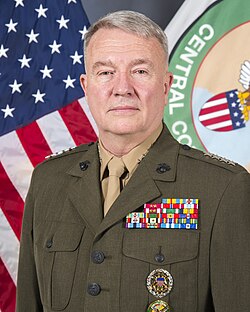
Gen. Frank McKenzie has 7 trade ideas tracked on Buzzberg across 7 tickers since March 2026. Ranked #907 on the Buzzberg Alpha leaderboard. Most covered: LMT, RTX, GD.
#907Ranked Speaker
#907 of 1796 voices on Buzzberg