BUZZBERGThe leaderboard is ranked by Alpha Score, which weighs a speaker's average return, their number of calls, and reputation — a credibility rating of the source that can only raise a score, never lower it.Read the FAQ
"Bitcoin... it will require probably a hard fork... and that's going to be challenging... We do with Cardano, Polka Dot does, Tezos does, everybody who did onchain governance does. It's a six-month conversation for us." As technological threats like Quantum Computing emerge (projected ~2033), rigid blockchains that cannot easily upgrade (Bitcoin) face existential governance risks. Chains with built-in on-chain governance (Cardano, Polkadot, Tezos) can upgrade their cryptographic primitives seamlessly, making them safer long-term infrastructure plays for institutional adoption. LONG (Quality/Governance premium). Network effects of Bitcoin outweigh its technical rigidity; Quantum threat may be further away than predicted.
"Bitcoin... it will require probably a hard fork... and that's going to be challenging... We do with Cardano, Polka Dot does, Tezos does, everybody who did onchain governance does. It's a six-month conversation for us." As technological threats like Quantum Computing emerge (projected ~2033), rigid blockchains that cannot easily upgrade (Bitcoin) face existential governance risks. Chains with built-in on-chain governance (Cardano, Polkadot, Tezos) can upgrade their cryptographic primitives seamlessly, making them safer long-term infrastructure plays for institutional adoption. LONG (Quality/Governance premium). Network effects of Bitcoin outweigh its technical rigidity; Quantum threat may be further away than predicted.
Crypto fear and greed index is at 24, market is only 50% down from its peak versus typical 70-80% bear cycle drawdowns, indicating we are near the bottom. This creates a great buying opportunity, and long-term bullish with trillions in RWA inflows and new user adoption.
"Institutions, they're starting to federate the industry... What they want to do long term is move everybody into a custodial holder... and then ban DeFi and non-custodial wallets so they can consolidate the entire industry to like 10 or 15 of big actors." While Hoskinson opposes this philosophically, he acknowledges these entities are making "forward progress." If the industry shifts from "wild west" DeFi to a "Federated" model, the value capture shifts from decentralized protocols to the regulated gatekeepers (Asset Managers and Banks) who own the custodial relationships. LONG (Betting on the successful capture of the asset class by TradFi). Regulatory pushback against banking monopolies or a resurgence of privacy-preserving tech that bypasses custodians.
"Institutions, they're starting to federate the industry... What they want to do long term is move everybody into a custodial holder... and then ban DeFi and non-custodial wallets so they can consolidate the entire industry to like 10 or 15 of big actors." While Hoskinson opposes this philosophically, he acknowledges these entities are making "forward progress." If the industry shifts from "wild west" DeFi to a "Federated" model, the value capture shifts from decentralized protocols to the regulated gatekeepers (Asset Managers and Banks) who own the custodial relationships. LONG (Betting on the successful capture of the asset class by TradFi). Regulatory pushback against banking monopolies or a resurgence of privacy-preserving tech that bypasses custodians.
"Bitcoin... it will require probably a hard fork... and that's going to be challenging... We do with Cardano, Polka Dot does, Tezos does, everybody who did onchain governance does. It's a six-month conversation for us." As technological threats like Quantum Computing emerge (projected ~2033), rigid blockchains that cannot easily upgrade (Bitcoin) face existential governance risks. Chains with built-in on-chain governance (Cardano, Polkadot, Tezos) can upgrade their cryptographic primitives seamlessly, making them safer long-term infrastructure plays for institutional adoption. LONG (Quality/Governance premium). Network effects of Bitcoin outweigh its technical rigidity; Quantum threat may be further away than predicted.
"Bitcoin... it will require probably a hard fork... and that's going to be challenging... We do with Cardano, Polka Dot does, Tezos does, everybody who did onchain governance does. It's a six-month conversation for us." As technological threats like Quantum Computing emerge (projected ~2033), rigid blockchains that cannot easily upgrade (Bitcoin) face existential governance risks. Chains with built-in on-chain governance (Cardano, Polkadot, Tezos) can upgrade their cryptographic primitives seamlessly, making them safer long-term infrastructure plays for institutional adoption. LONG (Quality/Governance premium). Network effects of Bitcoin outweigh its technical rigidity; Quantum threat may be further away than predicted.
"Institutions, they're starting to federate the industry... What they want to do long term is move everybody into a custodial holder... and then ban DeFi and non-custodial wallets so they can consolidate the entire industry to like 10 or 15 of big actors." While Hoskinson opposes this philosophically, he acknowledges these entities are making "forward progress." If the industry shifts from "wild west" DeFi to a "Federated" model, the value capture shifts from decentralized protocols to the regulated gatekeepers (Asset Managers and Banks) who own the custodial relationships. LONG (Betting on the successful capture of the asset class by TradFi). Regulatory pushback against banking monopolies or a resurgence of privacy-preserving tech that bypasses custodians.
"Institutions, they're starting to federate the industry... What they want to do long term is move everybody into a custodial holder... and then ban DeFi and non-custodial wallets so they can consolidate the entire industry to like 10 or 15 of big actors." While Hoskinson opposes this philosophically, he acknowledges these entities are making "forward progress." If the industry shifts from "wild west" DeFi to a "Federated" model, the value capture shifts from decentralized protocols to the regulated gatekeepers (Asset Managers and Banks) who own the custodial relationships. LONG (Betting on the successful capture of the asset class by TradFi). Regulatory pushback against banking monopolies or a resurgence of privacy-preserving tech that bypasses custodians.
"Institutions, they're starting to federate the industry... What they want to do long term is move everybody into a custodial holder... and then ban DeFi and non-custodial wallets so they can consolidate the entire industry to like 10 or 15 of big actors." While Hoskinson opposes this philosophically, he acknowledges these entities are making "forward progress." If the industry shifts from "wild west" DeFi to a "Federated" model, the value capture shifts from decentralized protocols to the regulated gatekeepers (Asset Managers and Banks) who own the custodial relationships. LONG (Betting on the successful capture of the asset class by TradFi). Regulatory pushback against banking monopolies or a resurgence of privacy-preserving tech that bypasses custodians.
"Institutions, they're starting to federate the industry... What they want to do long term is move everybody into a custodial holder... and then ban DeFi and non-custodial wallets so they can consolidate the entire industry to like 10 or 15 of big actors." While Hoskinson opposes this philosophically, he acknowledges these entities are making "forward progress." If the industry shifts from "wild west" DeFi to a "Federated" model, the value capture shifts from decentralized protocols to the regulated gatekeepers (Asset Managers and Banks) who own the custodial relationships. LONG (Betting on the successful capture of the asset class by TradFi). Regulatory pushback against banking monopolies or a resurgence of privacy-preserving tech that bypasses custodians.
"Bitcoin... it will require probably a hard fork... and that's going to be challenging... We do with Cardano, Polka Dot does, Tezos does, everybody who did onchain governance does. It's a six-month conversation for us." As technological threats like Quantum Computing emerge (projected ~2033), rigid blockchains that cannot easily upgrade (Bitcoin) face existential governance risks. Chains with built-in on-chain governance (Cardano, Polkadot, Tezos) can upgrade their cryptographic primitives seamlessly, making them safer long-term infrastructure plays for institutional adoption. LONG (Quality/Governance premium). Network effects of Bitcoin outweigh its technical rigidity; Quantum threat may be further away than predicted.
"Bitcoin... it will require probably a hard fork... and that's going to be challenging... We do with Cardano, Polka Dot does, Tezos does, everybody who did onchain governance does. It's a six-month conversation for us." As technological threats like Quantum Computing emerge (projected ~2033), rigid blockchains that cannot easily upgrade (Bitcoin) face existential governance risks. Chains with built-in on-chain governance (Cardano, Polkadot, Tezos) can upgrade their cryptographic primitives seamlessly, making them safer long-term infrastructure plays for institutional adoption. LONG (Quality/Governance premium). Network effects of Bitcoin outweigh its technical rigidity; Quantum threat may be further away than predicted.
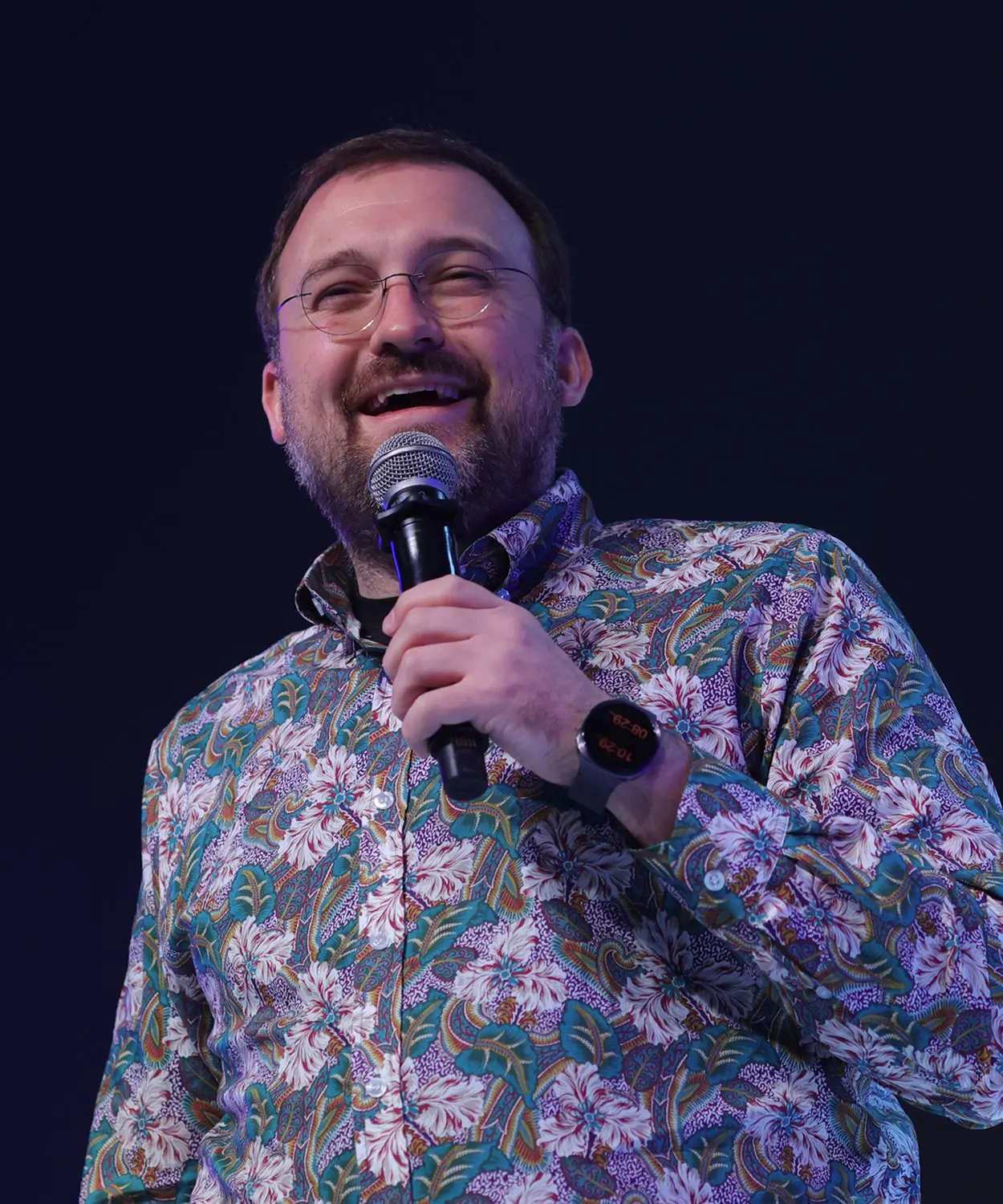
Charles Hoskinson has 7 trade ideas tracked on Buzzberg across 7 tickers since February 2026. Ranked #1070 on the Buzzberg Alpha leaderboard. Most covered: ADA, USDT, JPM.
#1070Ranked Speaker
#1070 of 1796 voices on Buzzberg