Colombia Quake Tests New President Days Into Term
Speakers
Mie Dahl
— Bloomberg News Latin America Government Reporter
Summary
Bloomberg's Mie Dahl reports from Bogotá on Colombia's 7.4 magnitude earthquake, which killed nearly 300 people and disrupted coffee exports. The quake damaged transport infrastructure and drove Arabica coffee futures to a weekly high around $3.20 per pound before routes began recovering. The disaster is also an early political and economic test for the new president, who faces pre-existing fiscal, security, health, and energy crises.
- Rescue efforts continue in western Colombia past the critical 72-hour window, with signs of life still reported under rubble.
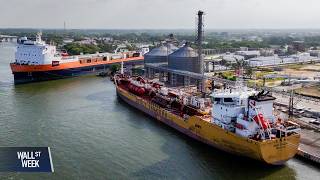
- Colombia is the world's second-largest coffee grower; quake damage to roads and ports briefly shocked coffee exports.
- Arabica coffee futures spiked to about $3.20 per pound after the quake, adding to a 30% rise since June tied to El Nino.
- Coffee export infrastructure is beginning to recover and the industry is expected to normalize.
- The wider Colombian economy is expected to face severe impacts from the disaster.
- New President Abelardo de la Espriella faces an immediate leadership test amid fiscal, security, health, and energy crises.
- The president's decision to reject Mexican rescue teams in favor of ideological allies has drawn criticism.
Ideas
Arabica spike fades as exports normalize
Colombia's earthquake damaged roads and ports used to transport coffee, causing an initial shock to exports and a spike in Arabica coffee futures to around $3.2 per pound; with infrastructure routes now recovering and coffee exports normalizing, the quake-related price spike is likely to fade, even though El Nino weather had already lifted Arabica futures about 30% since June.
Colombia economy faces severe quake impacts
The earthquake and related infrastructure damage will have very severe impacts on Colombia's wider economy, adding to the new president's pre-existing fiscal, security, health, and energy crises.
Up Next



This Bloomberg Markets video, published August 15, 2026, features Mie Dahl discussing CAFE, Colombia. 2 trade ideas extracted by AI with direction and confidence scoring.