Markets Weekly June 20, 2026
Summary
Joseph Wang analyzes two major macro developments: the durable peace deal between the US and Iran that sent oil prices plummeting and the 'China Shock 2.0' wave of advanced Chinese manufacturing exports that threatens Germany's and Europe's industrial base. He argues the US-Iran ceasefire will hold, keeping oil disinflationary, while China's move up the value chain is structurally eroding the German export model.
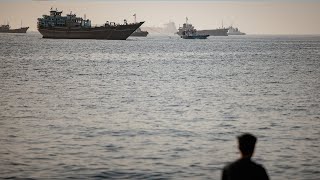
- US-Iran peace deal is durable due to US political pressure on Israel and dwindling Strategic Petroleum Reserve levels.
- Oil prices (spot Brent) have plummeted, creating a large global disinflationary wave.
- Despite lower oil, markets continue to price in rate hikes from the Fed, ECB, BoJ and BoK, setting up a potential tension.
- China Shock 2.0: China now exports high-tech goods (EVs, batteries, solar panels) but imports have stagnated, hurting foreign exporters.
- Germany's export-driven model is under direct threat: equipment exports and car exports are losing ground to Chinese competition.
- Europe lacks an AI-driven boom like the US, leaving the region structurally vulnerable.
- Europe may respond with its own tariff wall, accelerating deglobalization.
Ideas
Up Next



This Joseph Wang video, published June 20, 2026, features Joseph Wang discussing BNO, German DAX index. 2 trade ideas extracted by AI with direction and confidence scoring.
Speakers: Joseph Wang · Tickers: BNO, German DAX index